Earthquakes don’t check your schedule — they just hit. I’ve seen neighbors in California scramble for flashlights after a tremor, and it’s never pretty. So, when people ask, “What should be in an earthquake emergency kit?”, I want to dig deeper than just the basics. If you live anywhere close to a fault line (and even if you don’t), having a solid kit isn’t just smart — it’s responsible. This guide blends practical tips, grounded research, and some surprising real-world stories to help you make sense of what true earthquake readiness looks like.
Why Earthquake Kits Matter: The Data & The Drama
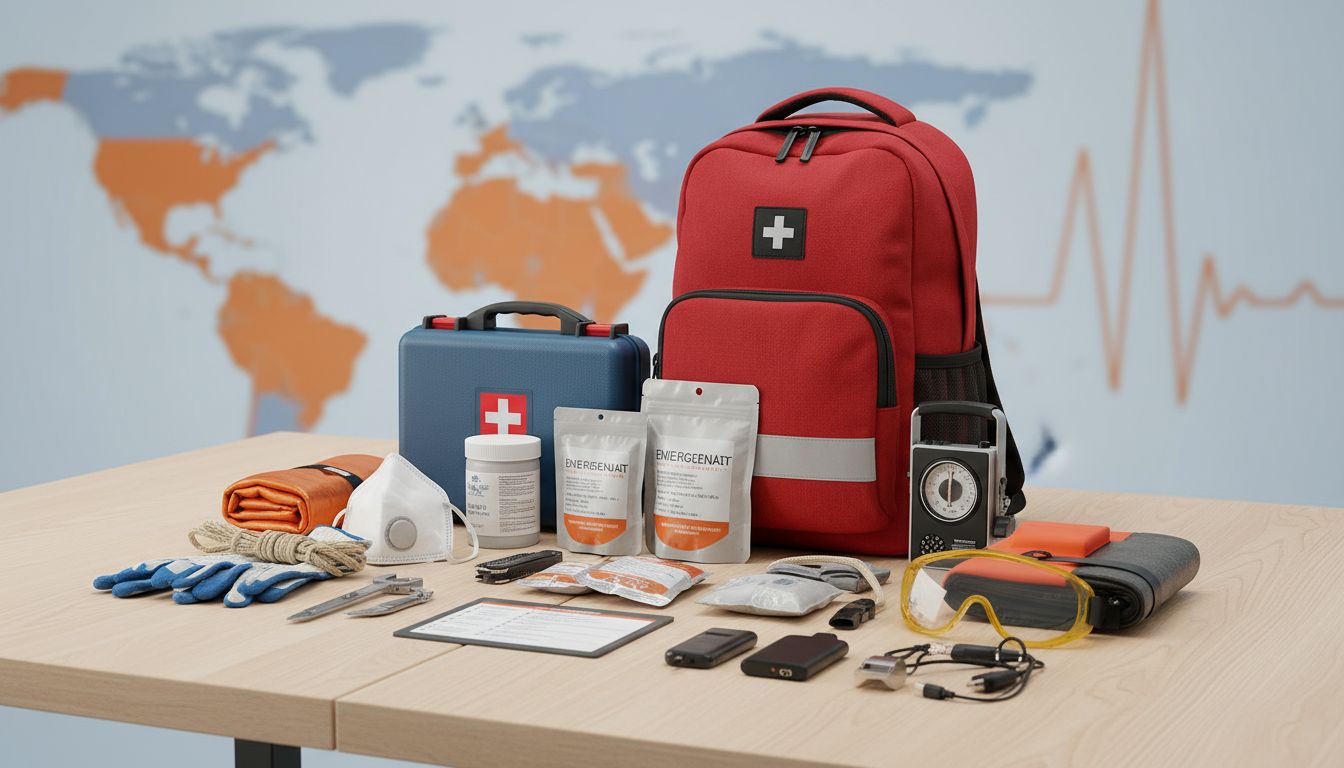
Here’s something you might not know: nearly 143 million people in the U.S. live in areas with some earthquake risk. While California gets most of the attention, states like Alaska, Missouri, and even South Carolina have felt major shakes. Globally, the numbers are wild — the USGS reports there are about 500,000 detectable earthquakes worldwide each year (Wikipedia). Most go unfelt, but about 100,000 are strong enough to be noticed.
But let’s get personal. After the 2011 Japan earthquake, I remember reading how prepared families survived days without outside help. Compare that to stories from less-prepared areas — where a missing flashlight or water bottle made a bad situation worse. So, what’s the difference? Preparation. A well-planned emergency kit bridges that gap between anxiety and real resilience.
Breaking Down the Basics: What Should Be in an Earthquake Emergency Kit?
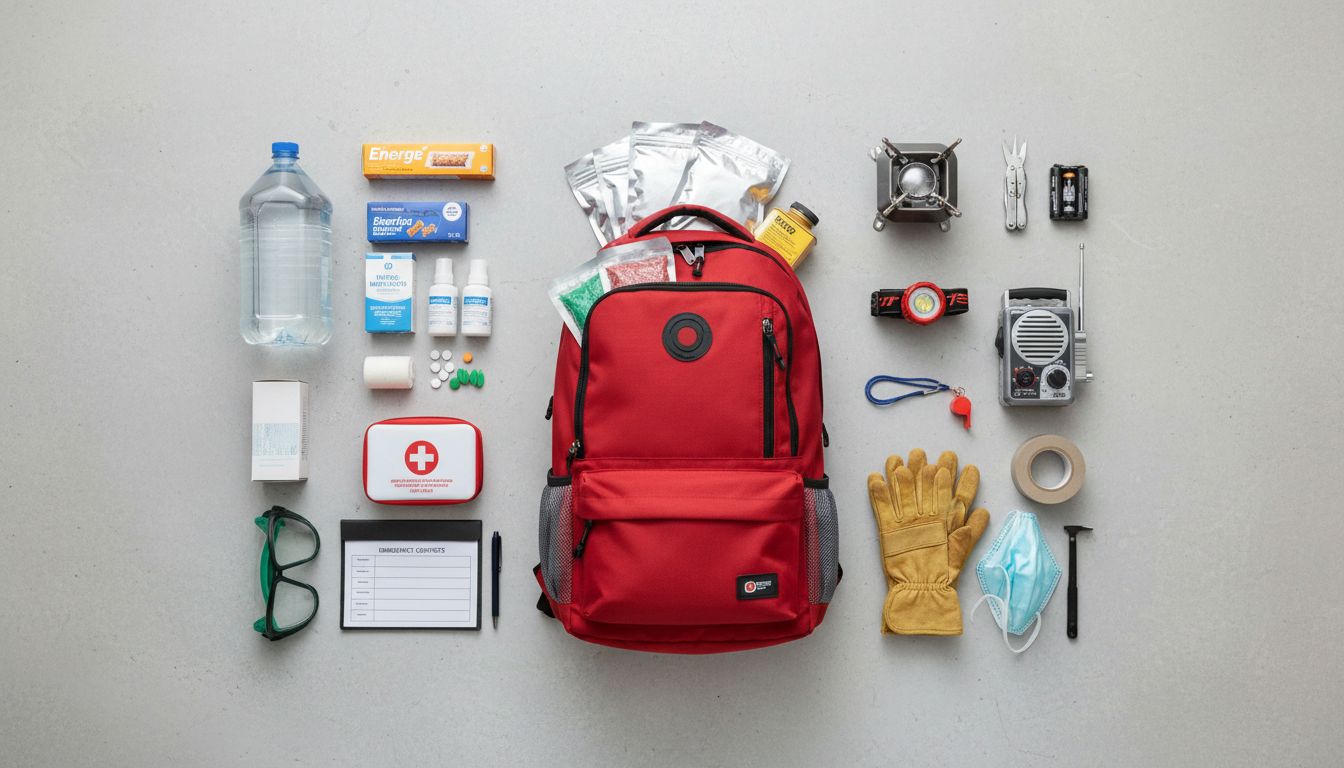
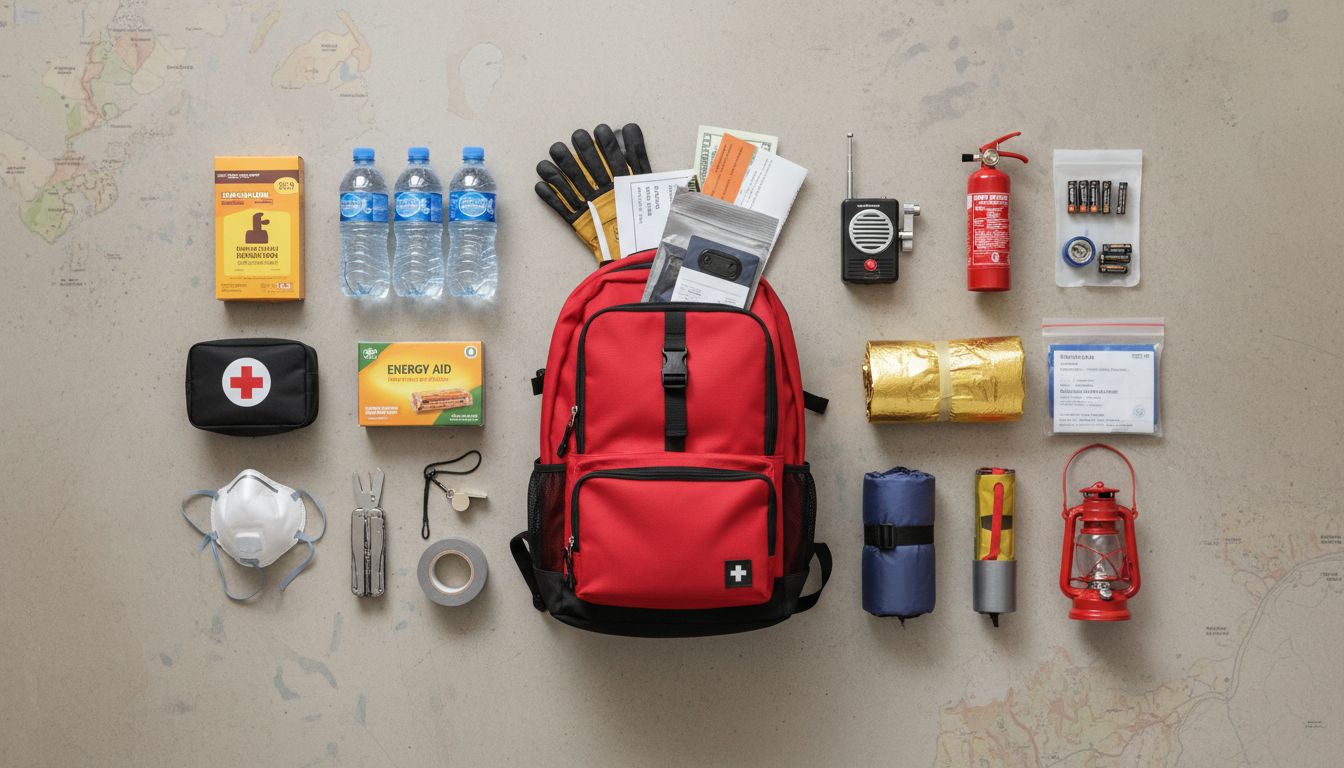
I sometimes wonder why emergency kit lists can feel overwhelming or, honestly, a bit boring. But the logic is simple: you want to cover your needs for at least 72 hours after a major quake, since it can take that long for emergency services to reach everyone. Here’s the no-nonsense breakdown:
- Water — One gallon per person, per day for three days. That means a family of four needs at least 12 gallons. Don’t skimp — dehydration is a sneaky, serious risk.
- Non-perishable food — Canned beans, granola, nut butter, energy bars. Try to cover basic calories and nutrition. (Pro tip: Rotate these out every six months so they’re always fresh.)
- Flashlights and extra batteries — Power outages are almost guaranteed. I learned this the hard way during a blackout — phones run out fast, so keep a dedicated flashlight.
- First aid kit — Not just band-aids; add antiseptic, painkillers, gauze, tweezers, and any prescription medications you need.
- Whistle — If you’re trapped, a whistle carries farther than your voice.
- Dust masks and goggles — Debris and dust can fill the air after major tremors. I once saw footage where people were coughing, eyes watering — a mask would’ve made a difference.
- Multi-tool or basic toolkit — For prying open doors, shutting off gas lines, or fixing broken supplies.
- Local maps — Your phone’s GPS may not work, and you can’t always count on landmarks looking the same.
- Emergency blanket or sleeping bag — Nights get cold, even in warm climates. Hypothermia sneaks up faster than you think.
- Copies of important documents (on USB drive or waterproof envelope) — Think insurance, ID, medical info.
Digging Deeper: Why These Specific Items?
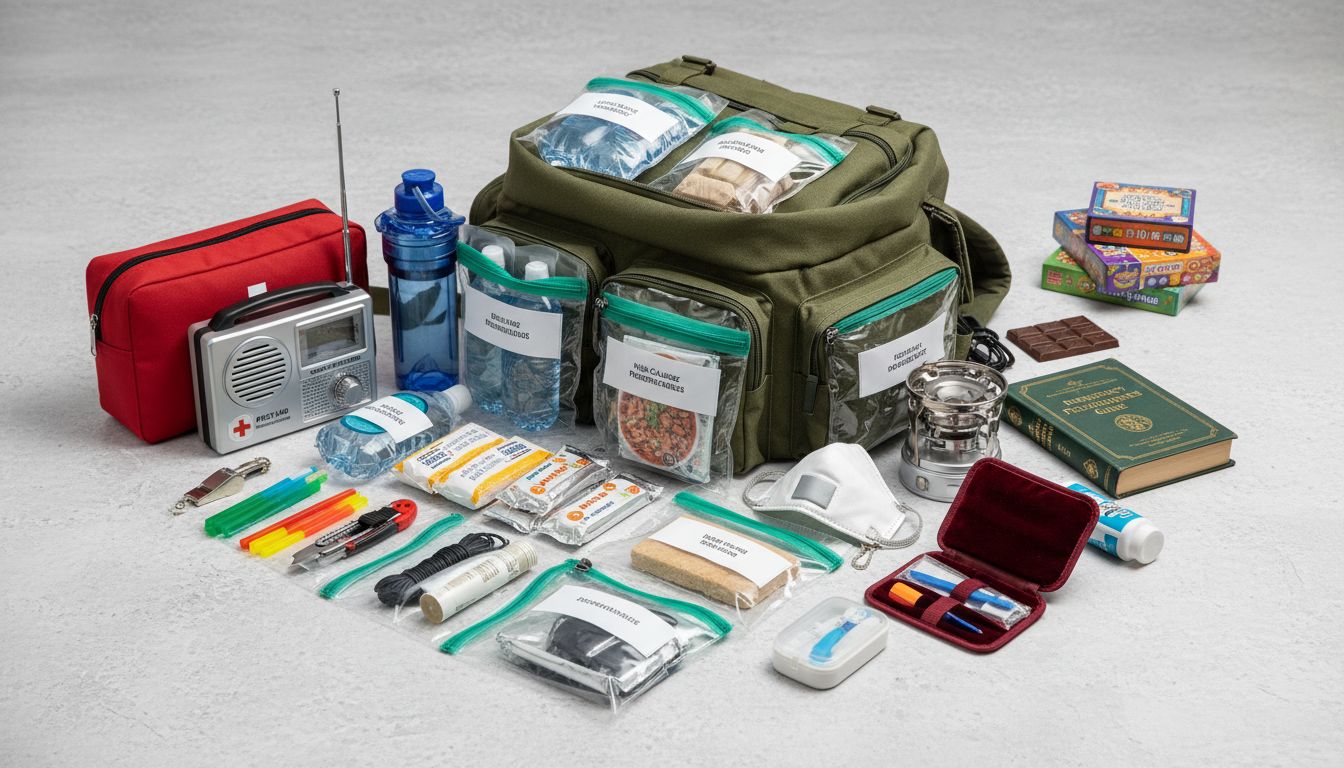
Let’s break this down. Why these things and not, say, a stash of board games or three pounds of chocolate?
- Water & Food: The average person can survive up to three weeks without food, but only about three days without water. That’s why water is at the top of every emergency kit checklist. During the 1994 Northridge earthquake, broken water mains left thousands without tap water for days.
- Light & Power: The 2009 L’Aquila earthquake in Italy knocked out electricity for over a week in some neighborhoods. Having a flashlight (and backup batteries) becomes your lifeline — literally and emotionally.
- First Aid: After a quake, help can be hours or days away. Splinters, cuts, or sprains are common. The American Red Cross estimates that up to 40% of earthquake injuries are minor but need quick attention to prevent infection or complications.
The rest? Think of them as tools for staying safe, visible, and organized while you wait for rescue or things to stabilize.
Real-World Example: The 2023 Turkey-Syria Earthquake
The 2023 disaster in Turkey and Syria was a brutal reminder. Many survivors credited their preparedness for making it through those first critical days. One story that stuck with me: a family used a whistle to alert rescuers because their phones had died. Another group survived on protein bars and bottled water stashed in a bedside kit, waiting over 40 hours for help.
On the flip side, thousands struggled without basic supplies. Local reports say that nearly 60% of those affected didn’t have emergency kits, making rescue efforts much more stressful. It’s tough to imagine, but these stories drive home how a little planning can genuinely save lives.
Beyond the Basics: Extra Items for an Earthquake Emergency Kit
Okay, you’ve got the essentials. But there are a few extras that, depending on your situation, could make a huge difference:
- Portable phone charger (power bank)
- Cash (small bills) — ATMs and card readers might be out.
- Sanitation supplies — Wet wipes, hand sanitizer, garbage bags, and a basic toilet setup (bucket with bag and lid).
- Baby or pet supplies — Diapers, formula, pet food, or meds.
- Gloves and sturdy shoes — Broken glass and debris are everywhere after a quake.
- Entertainment — A deck of cards, book, or puzzles. Yes, waiting is boring and stressful. I’ve never regretted packing a book.
Some people add duct tape, rope, or even a compact tent if space allows. The point isn’t to build a luxury bunker — it’s to bridge those first survival days until help arrives or things normalize.
What Should Be in an Earthquake Emergency Kit for Different Needs?
Every household is different. Here are a few things to consider as you customize your kit:
- Kids: Add favorite snacks, comfort items (like a stuffed animal), and child-size masks.
- Seniors: Extra hearing aid batteries, mobility tools, or glasses. Double-check medication supplies.
- Pets: Leash, carrier, extra food and water, and vaccination records.
Let’s be honest: It’s easy to forget these details in a crisis. I once realized I’d packed food for the adults but forgot my toddler’s formula. Small oversights can matter — so a tailored checklist is gold.
Quick Tips: Storing & Maintaining Your Kit
- Keep kits in easy-to-grab locations. Under the bed, by the front door, or in the car.
- Check and update every 6 months. Replace expired food, check batteries, refresh water.
- Have mini-kits for work or school bags. Even a snack bar, water bottle, and flashlight can be a lifesaver.
- Practice drills. Try finding your kit blindfolded (or in the dark) — it’s harder than you think.
Pros vs Cons: Pre-made Kits vs. DIY Earthquake Kits
| Pre-Made Kits | DIY Kits |
|---|---|
|
|
|
|
My take? Mix and match. Buy a basic pre-made kit, then personalize it. That’s what most preparedness experts recommend.
Common Myths About Earthquake Emergency Kits
- “I’ll just grab what I need when the time comes.” — Nope. Earthquakes hit with zero warning. You can’t shop your way through a disaster.
- “If I have enough food, I’ll be fine.” — Water, shelter, first aid, and light are equally important.
- “My phone will work, so I don’t need a map or whistle.” — Phones die, networks crash. Analog tools can save your life.
FAQ: Your Earthquake Emergency Kit Questions Answered
How often should I update my earthquake emergency kit?
Every six months is usually enough. Check food expiration dates, swap out old batteries, and make sure your water is fresh. I use daylight saving time as my reminder — it’s a nice twice-a-year cue.
Can I use bottled water that’s been stored for years?
Technically, sealed bottled water doesn’t “expire” quickly, but it can taste stale or leach chemicals if stored in heat or sunlight. I swap mine out once a year just to be safe.
What’s the best container for an earthquake kit?
I’m a fan of sturdy backpacks — they’re easy to grab and go. Some people use storage totes or rolling suitcases for bigger kits. The main thing is durability and water resistance.
Should I keep my kit in the car?
It helps to have a mini-kit in your car (water, snacks, first aid, blanket), especially if you commute or travel a lot. But don’t rely solely on your car kit, since cars can be damaged or inaccessible after a quake.
What if I live in an apartment?
Same core principles — just focus on space-saving. Try under-bed storage or compact bags in your closet. If you have to evacuate quickly, a pre-packed backpack is ideal.
A Thoughtful Pause: Why Being Ready Matters
I get it — no one likes imagining a disaster. When you’re building an earthquake emergency kit, it can feel like prepping for something you hope never happens. But here’s the thing: the peace of mind is huge. After you’ve assembled and checked your supplies, you actually sleep better. And if the ground ever does start shaking, you’ll reach for that kit knowing you’ve done what you can — for yourself, for your loved ones, or even a neighbor nearby.
Preparedness isn’t about paranoia; it’s about giving yourself an edge against chaos. And as history keeps proving, that edge can make all the difference.