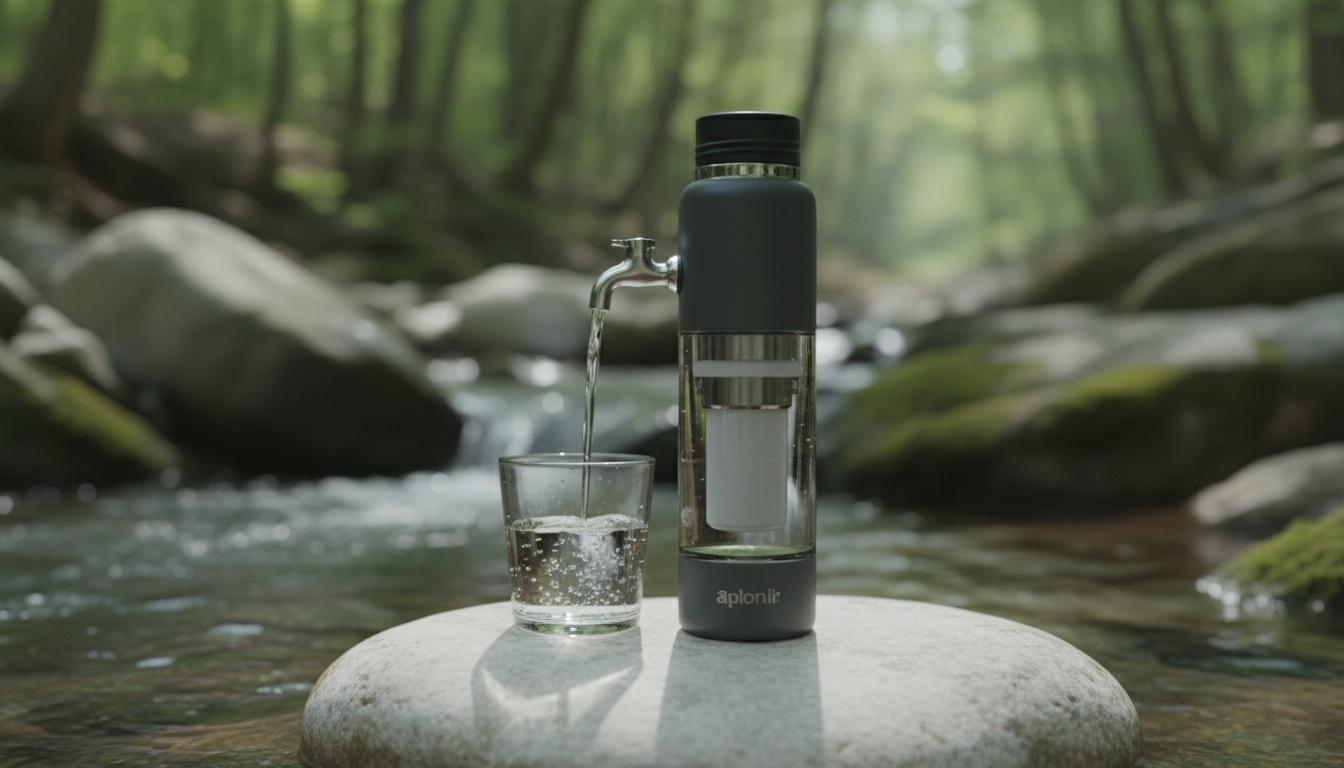
Let’s be honest: grabbing a water bottle for a trip, workout, or everyday stroll is second nature these days. But what about when you need to trust that your water is truly clean—anywhere, anytime? That’s where the search for the best water bottle with purifier turns from a simple shopping trip into a surprisingly nuanced quest. I’ve spent hours (more than I’d like to admit) comparing, analyzing, and downright obsessing over filtered water bottles for travel, school, and adventures. Today, I want to break it all down for you—no jargon, just plain sense—and help you find the right bottle for you or your family.
Why a Water Bottle with a Purifier Isn’t Just a Fancy Gimmick
It’s easy to shrug and say, “Tap water is fine!” But is it? The truth is, even in countries with excellent municipal water, you sometimes get odd tastes, chlorine, or even old pipes leaching in weird stuff. And that’s not touching on camping, international travel, or emergencies. According to the WHO, about 2.2 billion people worldwide lack safely managed drinking water. Even in the U.S., a 2023 study found over 10% of community water systems had violations related to contaminants in a given year (EPA data).
So, if you like the idea of being prepared—whether at school, in the office, or hiking in the wild—having a reliable filtered bottle or purifier bottle isn’t overkill. It’s practical peace of mind.
Types of Water Purifier Bottles: Not All Purifiers Are Created Equal
There’s a world of difference between a basic water filter and a true water purifier. Here’s the simple breakdown:
- Filter bottles: Remove larger contaminants (like dirt, microplastics, and some bacteria), but may let viruses and some chemicals pass through.
- Purifier bottles: Use more advanced technology (like UV, activated carbon, or ion exchange) to take out bacteria, protozoa, and viruses—including things you’ll encounter in questionable water sources abroad.
In other words: All purifiers are filters, but not all filters are purifiers. Sort of like how all squares are rectangles, but not all rectangles are squares. That distinction matters—especially if you plan to drink from lakes, rivers, or foreign taps.
Quick Story: The “Oops” Moment That Sold Me
I used to be a happy-go-lucky tap water drinker, even on road trips. Then, a few summers ago, I filled my bottle from a public spigot at a campground. It tasted… odd. Within 12 hours, I was deeply regretting my life choices (I’ll spare you the details). Since then, I’ve carried a purifier bottle on every hike and trip. I’m not alone—sales of personal water purifiers have jumped around 30% since 2020 as more people embrace outdoor activities and worry about health.
Key Features: What Makes the Best Water Bottle with Purifier?
Let’s put aside marketing jargon and talk about what truly separates the best from the rest. Here’s my practical checklist, backed up by research and user reviews:
- Filtration/Purification Technology
- Does it filter out just sediment, or also bacteria, protozoa, and viruses? (Look for NSF/ANSI certifications—those matter.)
- Common methods: hollow fiber membranes (for bacteria/protozoa), activated carbon (for chemicals/taste), and UV light (for viruses).
- Filter Lifespan & Cost
- How many liters/gallons can it handle before you need a replacement? (Some last for 40 gallons, others for 100+.)
- How much do replacement filters cost? Hidden costs add up—trust me, I’ve been stung!
- Ease of Use & Speed
- Is it “suck-through,” press-to-filter, or electronic?
- Does it require batteries or charging (like UV types)?
- How long does it take to get a full bottle of clean water?
- Build Quality & Design
- Stainless steel, plastic, or Tritan? Leak-proof lid? Handle or carabiner attachment?
- Does it fit standard cup holders or backpack pouches?
- Capacity & Weight
- Are you carrying it for urban use (smaller is fine) or backcountry (bigger is better)?
Here’s something people often miss: flow rate matters. If you’re panting on a hot day, you don’t want to fight a slow, clogged filter. The best bottles balance protection and usability.
Real-World Comparison: Top Picks for Different Needs
- Best Overall: Grayl GeoPress
- Purifies viruses, bacteria, protozoa, plus chemicals and heavy metals
- Press-to-purify — 24 oz in 8 seconds (it really is that fast, which feels like magic the first time)
- Filter lasts for 65 gallons (~350 uses)
- Downsides: Bulky, pricier filters, a bit heavy
- Best for Everyday/Travel: LifeStraw Go Bottle
- Filters bacteria, protozoa, microplastics, and reduces some chemicals
- Suck-through straw, 22 oz capacity
- Easy to use, fits in most backpacks, durable
- Does not remove viruses (but fine for tap or mountain streams in North America/Europe)
- Best UV Purifier Bottle: CrazyCap 2.0
- Uses UV-C LED light for bacteria and virus purification
- No physical filter (so, no removal of sediment or chemicals)
- Stainless steel, keeps water cold, easy USB charging
- Downsides: Needs power, doesn’t improve taste, pricey
- Budget Pick: Brita Premium Filtering Bottle
- Reduces chlorine, some particulates, and taste/odor issues
- Not for bacteria/virus purification — meant for tap water only
- Lightweight, affordable filters, easy to find
Quick stat: Based on user ratings across major platforms (Amazon, REI, etc.), average satisfaction for the Grayl and LifeStraw lines tends to hover around 4.5 out of 5. Common complaints? Slow flow rate (especially as filters age), and the occasional leaky lid.
When to Use Which Type: Not All Water Is Equal
This is where I see people trip up. Not every trip or outing needs a hardcore virus purifier. Here’s a quick decision map:
- Traveling internationally? Get a true “purifier” (removes viruses), like Grayl or the SteriPen UV.
- Backpacking in North America? A filter that removes bacteria and protozoa (LifeStraw, Sawyer) is fine for lakes and streams.
- Just want to improve taste in tap water? Basic filter bottles (Brita, Hydros) are easy, cheap, and lightweight.
Always ask: “What’s likely in my water, and what do I want to remove?” The answer changes depending on whether you’re in Paris, Peru, or Pennsylvania.
Mini Case Study: Family Road Trip vs. Backpacking Trek
Case 1: My cousin’s family of four took a cross-country road trip last summer. Their priorities: safe water from rest stops and rural motels, easy sharing, and kid-proof durability. They chose two LifeStraw Go bottles and a backup Brita. Verdict? “The kids thought the straws were fun, and we never worried about weird water.”
Case 2: My friend, a solo backpacker, went hiking in Thailand. He needed a bottle that protected against everything, including viruses. He picked the Grayl. “I literally scooped water from a muddy river, pressed it, and it tasted cleaner than my tap at home. That peace of mind was priceless.”
The Not-So-Obvious Pros and Cons
- PROS
- Portability—a whole purifier in your backpack
- Reduced plastic waste (no need for disposable water bottles)
- Emergency readiness (boil water notices, natural disasters, travel mishaps)
- Cost savings over bottled water (over a year, the average American spends $266 on bottled water—one good purifier bottle can pay for itself in months)
- CONS
- Filter replacements can be costly and hard to find abroad
- Some bottles are heavy or bulky (especially purifiers vs. simple filters)
- Not all models are dishwasher safe (I learned that the hard way…)
- Flow rates slow down as filters clog up
- UV bottles require charging/batteries, and don’t remove sediments
So, is there a perfect solution? Honestly, it depends on your habits and where you’ll go.
What About Chemicals, Heavy Metals, and Microplastics?
This is an area where not all purifier bottles are created equal.
Here’s what the research says:
- Activated carbon filters help reduce chlorine, some pesticides, and bad tastes/odors, but usually not heavy metals unless specifically rated.
- Hollow fiber membranes are great for biological threats (bacteria, protozoa), but do nothing for chemicals or metals.
- Advanced bottles like Grayl use multiple stages to target a broader range—important if you’re concerned about industrial runoff or suspect pipes.
For microplastics, most high-quality filter bottles (LifeStraw, Sawyer, Hydros) catch particles down to 0.2 microns in size—enough to trap most microplastics found in studies (which are usually larger than 1 micron). That’s a bit of comforting news, at least!
How to Make Your Water Bottled Experience Last: Maintenance Matters
Here’s something people rarely mention in reviews: keeping your purifier bottle clean is just as important as having one. Funky smells? Reduced flow rate? It’s probably overdue for a scrub or filter change.
- Rinse thoroughly after every use, especially if you filtered anything besides tap water.
- Let it dry completely before sealing—trapped moisture breeds mold and bacteria.
- Replace filters on schedule—don’t try to “stretch” them. Once saturated, they can actually leach contaminants back into water.
- If you use a UV purifier, occasionally clean the cap/light to maximize effectiveness.
You wouldn’t brush your teeth with a dirty brush, right? Same logic here.
Why the Best Water Bottle with Purifier Matters More Than Ever
Here’s my personal take: In a world where we worry about pretty much everything (germs, pollution, even microplastics), having a small, reliable way to get safe water everywhere just feels smart. I’m not saying you need to become a “prepper,” but if a $40–$100 bottle can keep you from buying hundreds of single-use bottles (and potentially keep you from getting sick), it feels like a no-brainer.
Plus, there’s something a bit empowering about knowing you could, if you had to, scoop from a lake or a sketchy rest stop faucet and walk away with clean water. That’s a quiet confidence I wouldn’t trade.
Frequently Asked Questions about Water Bottles with Purifiers
Can I trust a water purifier bottle in any country?
Mostly, yes—if you pick a bottle rated to remove viruses, bacteria, and protozoa (and ideally with chemical/heavy metal filtration too). For ultra-risky water sources (like heavily polluted rivers), even the best purifier bottle has limits. When in doubt, check for NSF/ANSI certifications or third-party lab results. And remember, UV bottles don’t remove physical particles—so if the water is cloudy, pre-filter or let it settle first.
How often do I need to replace the filter?
Depends on the model, but most claim 40–100 gallons per filter. For reference, if you drink two bottles a day, that’s about 1–2 months per filter. Heavy use (muddy stream water, lots of sediment) wears it out faster. Always follow the manufacturer’s guide—pushing past the limit can mean losing protection.
Are filtered water bottles safe for kids?
For school, camping, or travel, absolutely—many parents pick them to avoid “mystery” water in drinking fountains or questionable taps. That said, suck-through filters can be hard for little kids. For the youngest, look for bottles with easy flow or press-to-filter action. And always supervise filter replacement to keep things clean.
What’s the difference between a purifier bottle and a Brita bottle?
Great question! Brita bottles are designed for tap water; they remove chlorine, some chemicals, and basic particles, but not bacteria or viruses. Purifier bottles (like Grayl, CrazyCap, or SteriPen) are built for truly unsafe water, tackling biological threats and sometimes chemicals/metals too. I’d use Brita for the gym, and a purifier for backcountry or foreign travel.
Are stainless steel bottles better than plastic?
Both have pros and cons. Stainless steel is tougher, keeps water cold, and won’t leach chemicals—but it’s heavier. BPA-free plastic is lighter and cheaper, but can wear out faster. The key is high-quality, food-safe materials and a reliable seal, whatever you pick.
A Human Reflection on Clean Water, Convenience, and Choice
Sometimes, I catch myself staring at all the water bottles lined up in my kitchen—each with its story. There’s the battered filter bottle from my first big solo trip. The “fancy” UV-cap one that survived a leaky backpack in Thailand. Even the cheap, cheerful daily Brita that makes school water bearable for my niece. They all say the same thing: we care about what we drink, and we want a little control in a world that sometimes feels out of our hands.
Searching for the best water bottle with purifier isn’t really about gadgets. It’s about trust: in your gear, in your choices, and in your ability to look after yourself and your loved ones, no matter where you go. Find a bottle that fits your life—and may you never have to learn the hard way from a “bad water” story like mine.