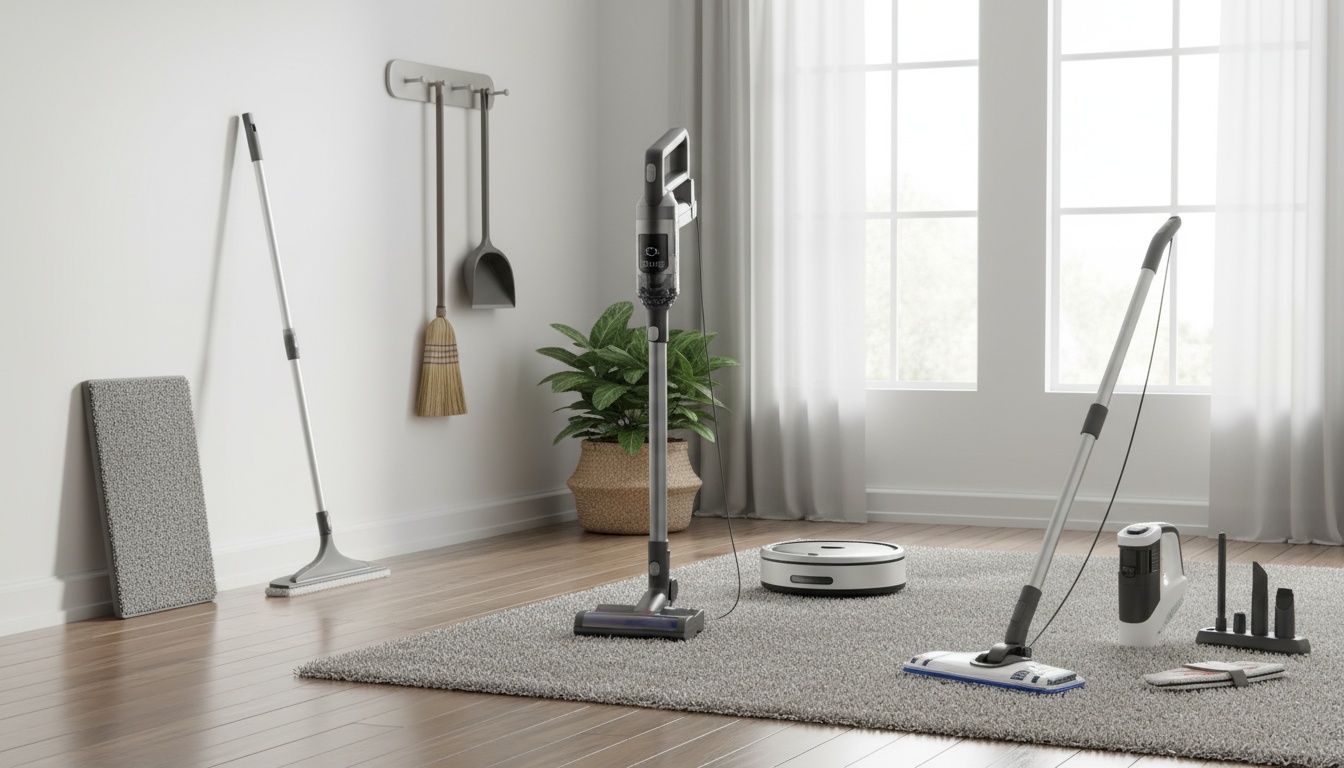
If you’ve been eyeing those flashy robot vacuums, you’re definitely not alone. They’re like the Roombas and Roborocks of household chores, promising a life where your floors practically clean themselves. But—and here’s the kicker—they’re not always the magic solution you’d hope for. Maybe they get stuck under the couch, or the cat rides it around while it misses every single crumb under the table. It makes you wonder: what are the best robot vacuum alternatives that actually get the job done without all the hiccups?
Let’s be real—modern cleaning is more than just pressing a button and hoping for the best. Whether you’re in a cramped apartment, a multi-pet household, or a place with more rugs than hardwood, robot vacuums aren’t one-size-fits-all. So today, I’m diving into the smarter, sometimes simpler (and often cheaper) options you might want to consider instead. Spoiler alert: some of these alternatives might surprise you.
Why People Turn Away from Robot Vacuums
Quick stat: Over the past five years, robot vacuum sales have grown by about 20% annually, but satisfaction rates lag behind at just under 70% based on recent consumer surveys. Sure, they’re convenient, but people quickly find out they can’t always handle stairs, tangled cords, or corners. I once watched a friend’s robot vacuum head-butt a shoelace for 10 straight minutes—it was both hilarious and infuriating.
- Pricey upfront cost (average $250–$600 for decent models)
- Maintenance headaches: emptying bins, cleaning brushes, software updates
- Navigation issues: can’t handle odd furniture layouts or clutter
- Battery limits: frequent recharging, especially in big homes
Now, don’t get me wrong. Robot vacuums are awesome for certain situations—especially if you’re a tech enthusiast, have a perfectly tidy floor plan, and no pets that shed like it’s their job. But for everyone else, let’s explore what works better.
Best Robot Vacuum Alternatives (with Pros, Cons, and Real-World Scenarios)
1. Cordless Stick Vacuums: The Flexible Powerhouse
When people ask me about the best robot vacuum alternatives, the first thing I blurt out is always “cordless stick vacuums.” Brands like Dyson, Shark, and Bissell make models that are lightweight, easy to maneuver, and let you vacuum stairs and ceilings, not just the flat spots. I’ve personally used a Dyson V8 for over three years—it glides under couches, attacks pet hair, and actually fits behind the toilet (seriously, why do robot vacuums never get that spot?).
- Pros: Super versatile, easy to store, strong suction, quick to use on spills
- Cons: Battery life (usually 30–60 minutes); needs manual handling
- Best for: Multi-level homes, apartments, pet owners, quick cleanups
2. Upright Vacuums: The Trusted Classic
Ah, the upright vacuum—your grandma probably swore by hers, and for good reason. They’re reliable, have powerful motors (some can suck up small LEGOs, though I don’t recommend testing that), and generally last for years. Top brands like Hoover and Miele get rave reviews for deep cleaning carpets, something most robot vacs just can’t do.
- Pros: Heavy suction, large dust bins, usually cheaper long-term
- Cons: Bulky, heavier, not as nimble for quick spot cleans
- Best for: Large homes, heavy-duty carpet cleaning, allergy sufferers
Case in point—a friend of mine with major allergies swapped her robot for a Miele upright and said her sneezing dropped by half (she actually tracked it, which cracked me up).
3. Manual Sweepers: Surprisingly Satisfying (And Cheap!)
I know what you’re thinking: “Manual sweepers? Isn’t that just a broom?” Not exactly. Carpet sweepers (those push-pull gadgets with a spinning brush inside) are still around for a reason. Think of them as the low-tech, no-fuss way to deal with crumbs and pet hair between deep cleans. Some models cost less than $30 and are totally cordless—because, well, no cords exist.
- Pros: Ultra-quiet, lightweight, no batteries, perfect for quick tidying
- Cons: Not great for deep cleaning, only works on smaller messes
- Best for: Small spaces, dorms, folks who hate noise
True story: my neighbor uses a manual sweeper for her daily “floor check,” and only brings out the heavy vacuum once a week. Works for her, and her floors always look guest-ready.
4. Wet-Dry Vacuums and Mop Hybrids: For the Messiest Jobs
Some messes just need water—spilled juice, muddy paw prints, or that bowl of cereal someone kicked over. Enter wet-dry vacuums and mop hybrids like the Tineco Floor One or Bissell CrossWave. These gadgets vacuum and mop simultaneously, so you’re not scrubbing on your hands and knees or making a swamp with your old mop.
- Pros: Handles liquid spills, sticky messes, and pet accidents
- Cons: Slightly pricier, more parts to clean after use
- Best for: Families, pet owners, kitchens, entryways
In 2023, sales for wet-dry vacuums in North America jumped by 25%. If that isn’t a vote of confidence, I don’t know what is.
5. Old-School Broom & Dustpan: Still Winning After All These Years
I’ll admit it: there’s a certain satisfaction in sweeping up a pile of crumbs and dumping them straight in the trash. For hard floors, a good broom and dustpan combo is unbeatable for corners, tight spaces, and quick daily maintenance. It’s quiet, never runs out of battery, and works during power outages (looking at you, hurricane season!).
- Pros: Simple, reliable, zero maintenance, ultra-affordable
- Cons: Not great for carpets, takes a little elbow grease
- Best for: Tile, hardwood, kitchens, outdoor areas
Robot vs. Human: Quick Comparison Table
| Type | Best For | Main Drawback | Average Price |
|---|---|---|---|
| Robot Vacuum | Basic, daily floor cleaning | Gets stuck; misses corners | $250–$600 |
| Cordless Stick Vacuum | Versatile, all-floor cleaning | Battery life | $150–$450 |
| Upright Vacuum | Deep carpet cleaning | Heavy; bulky | $120–$400 |
| Manual Sweeper | Quick crumb pickup | No deep cleaning | $20–$50 |
| Wet-Dry Vacuum/Mop Hybrid | Liquid & sticky messes | Extra cleaning steps | $200–$400 |
| Broom & Dustpan | Hard floors; corners | Not for carpets | $10–$30 |
Trends & Insights: What Are People Actually Using?
Surveys from 2022 suggest that 45% of people still rely on a mix of upright or stick vacuums for regular floor care. Only about 18% use robot vacuums as their main cleaning tool, and many admit they use them as a “helper” rather than a total replacement. One trend that’s picked up? People are doubling up: a robot for daily maintenance, and a stick or upright for the real, deep cleaning days.
Here’s something people often miss: No one cleaning tool is perfect for every scenario. If you’ve got a lot of area rugs, or your pet sheds tumbleweeds, you’ll probably need a two-pronged approach. It’s not about finding the techiest gadget—it’s about what keeps your sanity intact. I sometimes wonder if marketers ever mopped a real kitchen floor before selling us on “smart” solutions!
How to Choose the Best Robot Vacuum Alternative for Your Home
So, what’s the right choice for you? Here’s a simple logic flow (like a “choose your own adventure,” but with less dragons):
- What type of floors do you have?
- Mostly carpet: Upright vacuum or a powerful stick vacuum
- Hard floors: Broom/dustpan, manual sweeper, or wet-dry hybrid
- Any pets or allergies?
- Shedding pets or allergies: Go for a vacuum with a HEPA filter and strong suction
- No pets/allergies: Lighter solutions (manual, stick, or sweeper) work fine
- How much time do you want to spend cleaning?
- Quick, daily touch-ups: Manual sweeper or cordless stick
- Deep weekend cleans: Upright or wet-dry hybrid
- Budget?
- $20–$100: Broom, dustpan, manual sweeper
- $100–$400: Stick, upright, or hybrid vacuums
Let’s be honest—sometimes, it’s less about the gadget and more about the habit. A $30 sweeper used every day will outshine a $500 robot vacuum gathering dust under the coffee table.
Little-Known Tips for Easier Floor Cleaning
- Vacuum or sweep slowly: More dirt gets picked up per pass (seriously, it’s proven; Consumer Reports found up to 18% more debris collected when moving slower).
- Keep floors uncluttered: Fewer obstacles mean less work—no matter what tool you use.
- Clean filters and brushes regularly: Even the best vacuums lose suction when neglected (this one gets me every time).
- Rotate cleaning tools: Use a broom for a week, then switch to a vacuum. Changing it up can keep things from feeling like a chore.
Popular Myths About Robot Vacuums (And Why Alternatives Matter)
- “Robot vacuums are totally hands-off.” Reality: You still need to empty bins, rescue them from cords, and clean their brushes. It’s less work, but not no work.
- “They work for any floor type.” Most are mediocre on thick rugs or high-pile carpet. Upright vacuums and wet-dry options usually outperform here.
- “Expensive means better.” Sometimes, yes. But plenty of $200 stick vacuums outperform $600 robots, especially for edge cleaning and suction power.
FAQs: Best Robot Vacuum Alternatives
Can stick vacuums replace a traditional vacuum?
For many homes, yes! Today’s stick vacuums are beefier than you’d expect. Models like the Dyson V11 or Shark Vertex have suction power that rivals upright vacuums. The only catch is battery life—you’ll usually get enough juice for 2–4 rooms before needing a recharge. If you have thick carpets or a huge house, you might still want a plug-in upright for the occasional deep clean.
Are manual sweepers any good for pet hair?
Surprisingly, yes (within reason). Manual sweepers excel at picking up surface pet hair, especially on hard floors. But if you have deep-pile rugs—or a golden retriever in full shed-mode—you’ll need a real vacuum to get all the fuzz.
Isn’t mopping better for spills than wet-dry vacuums?
Mops are fine for small spills, but wet-dry vacuums are faster and don’t leave streaks or puddles. They’re a lifesaver for big, messy accidents—think spaghetti night gone wrong. They also pull up dirt and dry the floor in one go, so you’re not waiting around with soggy socks.
What’s the easiest way to keep floors clean without fancy gadgets?
Daily “micro-cleaning” (two minutes here, three minutes there) wins every time. A good broom or a quick manual sweeper session after meals can prevent most big messes from happening. You don’t need high-tech—just consistency and the right tool for your floors.
Do any eco-friendly alternatives beat robot vacuums?
Definitely! Manual sweepers, brooms, and reusable dustpans are about as green as it gets. No electricity, no batteries, and most last for years. Even some stick vacuums now use recyclable materials and energy-saving motors.
Final Thoughts: Why Simpler Isn’t Always Dumber
I’ll admit—there’s something cool about a gadget zipping around while you kick back with Netflix. But in real life? The best robot vacuum alternatives aren’t always the flashiest or most expensive. Sometimes, it’s the humble stick vacuum or the trusty broom that keeps your sanity (and floors) intact.
We all want less stress and more free time. But before plunking down cash for the latest cleaning tech, take a breath and think about what’s actually right for your space, your habits, and your budget. After all, the most satisfying feeling isn’t watching a robot work—it’s standing back, looking at spotless floors, and knowing you found the smartest way to get there. That, to me, is the real win.