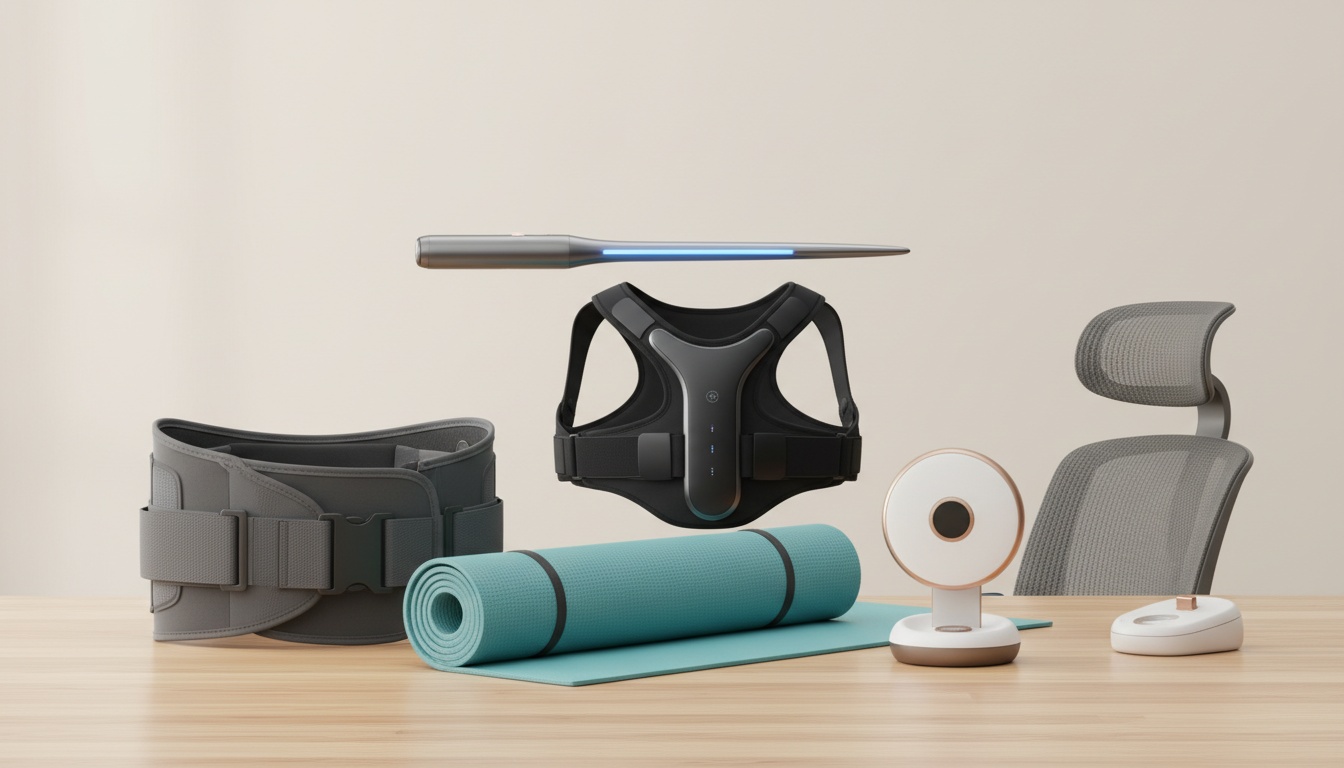
Let’s face it: modern life isn’t exactly ergonomic. Between school, work, gaming, and scrolling TikTok, most of us (myself included) spend a LOT of time hunched over screens. The result? Slouchy shoulders, neck aches, and, for many, mysterious nagging back pain. If you’re wondering whether the best posture corrector devices can actually help, you’re not alone. I’ve been there, slumping and searching for answers. So, let’s dig into what works, what doesn’t, and why it matters—without the usual sales pitch or medical jargon.
What Actually Is a Posture Corrector Device?
In the simplest terms, a posture corrector device is any gadget or gear designed to help you maintain spinal alignment. Most people picture those stretchy brace things you strap around your shoulders—but the market’s gotten way broader. Today you’ll find wearables that buzz you if you slouch, magnetic supports, even smart shirts that claim to “teach” your muscles better habits. It’s like the superhero utility belt for your back.
But here’s where it gets interesting: the science (and the marketing) isn’t always clear-cut. Some claim nearly miraculous results, while actual studies often show more subtle changes. According to a Mayo Clinic article, poor posture can contribute to long-term pain, but it’s rarely the only culprit behind chronic back issues. So, think of posture correctors as tools—not miracles or magic bullets.
Why Does Good Posture Even Matter?
If you’re in 8th grade or just living like one (late nights, awkward desks), you might wonder: does sitting up straight actually do anything? Turns out it does—a lot. Decades of ergonomic research show poor posture can lead to headaches, fatigue, and even trouble focusing. Your spinal alignment affects everything from breathing to balance, and over time, hunching puts extra strain on your muscles and joints.
I had a friend in college who always slouched during lectures. By senior year? Back pain and tension headaches were a fact of life for her. After trying a posture corrector and some basic stretching, she noticed a real difference. Not overnight, but enough to actually pay attention in class instead of constantly shifting around.
Types of Best Posture Corrector Devices (And How They Work)
Let’s break down the main categories—because not all supports are created equal. Some work through “muscle memory,” others use feedback, and a few just feel like fancy Band-Aids. Here’s a quick overview:
- Traditional Back Braces: Think of these as adjustable straps or bands that pull your shoulders back. They’re the classic solution, often recommended for mild posture problems.
- Smart Posture Wearables: These are tech-enabled gadgets or sensors (usually tiny and lightweight) you clip to your shirt or stick on your back. When you slouch, they buzz gently to remind you to straighten up.
- Posture Shirts: Compression tops with reinforced panels—designed to “nudge” your body into better alignment. Some are high-tech, others just rely on clever tailoring.
- Seat and Cushion Support: Not exactly worn, but cushions and ergonomic chairs can train your spine just as much as a wearable.
- Magnetic and Elastic Bands: These promise “biofeedback” or gentle muscle stimulation. Honestly, results here are all over the map.
Do Posture Correctors Actually Work?
This is honestly the million-dollar question. Based on a mash-up of clinical studies and real-world reviews, the answer is: sometimes, and mostly when used properly.
- In one 2022 review, more than half of users reported noticeable improvement in shoulder posture within 3 weeks. (But around 30% said they just felt uncomfortable or annoyed, and stopped using it.)
- Muscle “retraining” works best if you combine the device with daily movement, stretching, and awareness. Just strapping on a brace and gaming for 5 hours won’t undo a decade of slouching.
- Tech wearables (like those little posture sensors) get a lot of love from people who want instant feedback. But some users find the buzzing distracting, especially in class or meetings. Your mileage may vary.
Here’s something people often miss: posture correctors are aids, not solutions. They remind you, they don’t replace healthy habits. Think of them as training wheels—eventually, you want your body to balance on its own.
How to Pick the Best Posture Corrector Device for You
I sometimes wonder why there are so many choices…and why they all look like medieval torture gear. But all jokes aside, your best bet depends on a few personal factors:
- Your Lifestyle: If you’re active or always on the move, lightweight wearables or posture shirts might be best. Sitting at a desk? A back brace or ergonomic chair could be your friend.
- Comfort and Fit: The most high-tech device in the world is useless if it digs into your shoulders or slips all over the place. Try a few, if you can.
- Feedback Style: Some people love the instant reminder of a buzz or vibration. Others just want passive support.
- Budget: You can find basic braces for under $30. High-end smart wearables can be $100 or more.
- Aesthetics: It sounds superficial, but if you’re embarrassed to wear it, you might stop using it after a week!
A Quick Comparison: Leading Posture Corrector Devices
Here’s a real-world breakdown of some top picks, plus who might actually benefit from each:
| Device Type | Example Model | Best For | Key Pros | Key Cons |
|---|---|---|---|---|
| Traditional Back Brace | Mueller Adjustable Posture Support | Desk workers, teens, entry-level use | Affordable, easy to find, instant support | Can feel bulky, sweaty, not for all-day wear |
| Smart Wearable Sensor | Upright Go 2 | Tech fans, students, reminders | Discreet, tracks progress, real-time feedback | Expensive, may irritate skin, battery needed |
| Posture Shirt | AlignMed Posture Shirt | Athletes, casual wearers, mild issues | Subtle, can wear under clothes, trains muscles | Pricey, sizing can be tricky |
| Seat Support | BackJoy SitSmart | Long-term sitters, drivers | No straps, passive, portable | Not wearable, only works when sitting |
It’s not one-size-fits-all—literally and figuratively. I personally prefer a light, smart wearable for at-home use, then switch to a subtle posture shirt if I’m out. Your back, your rules.
What the Experts Say (And What They Don’t Tell You)
Physical therapists are generally cool with posture correctors—as long as you don’t rely on them forever. According to Dr. Karen Jacobs of Boston University, “Posture braces can be helpful in the short run, but long-term, you want your own muscles doing the work.” That’s why most recommendations pair devices with regular strength exercises and movement breaks.
Here’s my own two cents: the best thing I ever did for my posture wasn’t buying a device. It was setting a timer every hour to stand up, stretch, and reset. But the right posture support gave me a kickstart—it’s like training wheels before you learn to ride a bike for real.
Mini Case Study: Jake’s Gaming Chair vs. Smart Sensor
Jake, a high school sophomore and dedicated gamer, slouched so much he actually wore out his desk chair’s cushion. His mom bought him a smart wearable sensor. The first week? He hated how often it buzzed. By week three, he slouched less (and noticed fewer headaches). The secret? He paired the device with a better chair and some basic stretches. A little technology, a little behavior change—real progress.
Quick Tips: Getting the Most Out of Your Posture Device
- Start Slow: Wear your device for 20–30 minutes a day at first. Build up gradually, so your muscles don’t freak out.
- Pair with Movement: Walk, stretch, or do yoga—devices work best when combined with active posture improvement.
- Check the Fit: If it’s pinching, slipping, or itchy, try another size or style.
- Don’t Expect Miracles: A posture corrector won’t fix years of slouching overnight. Progress is measured in weeks, not hours.
- Listen to Your Body: Soreness is normal at first. Sharp pain isn’t—stop and adjust if something feels wrong.
Common Myths About Posture (and the Devices That Promise to Fix It)
- Myth #1: “If I wear a posture corrector all day, I’ll never slouch again.” (Reality: your muscles need to engage on their own, too!)
- Myth #2: “All posture correctors are basically the same.” (Nope—materials, fit, and tech features vary a LOT.)
- Myth #3: “Kids and teens don’t need posture support.” (With remote learning and gaming, more young people are struggling with posture than ever—about 60% in some surveys!)
Frequently Asked Questions About the Best Posture Corrector Devices
How long should I wear a posture corrector each day?
Honestly, most experts suggest starting with 20–30 minutes and building up if it feels comfortable. The goal is to gradually train your muscles—not to lock yourself in a brace all day. Pay attention to what your body tells you.
Are posture corrector devices safe for kids and teens?
Generally, yes—but it really depends on the device and how it’s used. Avoid anything that feels too restrictive, and always check sizing. If in doubt, chat with a pediatrician or physical therapist, especially for growing bodies.
Can posture correctors help with chronic pain?
The best posture corrector devices can relieve some muscle tension and improve comfort, especially if your pain is posture-related. But for chronic or severe pain, they should be part of a bigger plan: exercise, stretching, and maybe some professional advice.
Will I become “dependent” on a posture corrector?
This is a common worry. Used smartly—as a reminder, not a crutch—devices actually help build muscle memory. Just don’t rely on them 24/7. Think of them as a training tool, not a permanent fix.
What’s the difference between a posture brace and a smart wearable?
A posture brace is like a supportive band—mostly passive, holding you in better alignment. A smart wearable gives feedback (like a gentle buzz) when you slouch. Some people find wearables more motivating, but braces can be simpler for day-to-day support.
Bottom Line: Posture Correctors Are Tools, Not Magic
I’ve seen posture corrector devices help friends, coworkers, and even stubborn family members finally sit up a little straighter. But if there’s anything I’ve learned from testing gadgets, reading studies, and slouching through far too many Zoom calls, it’s this: there’s no substitute for self-awareness and movement. The best posture corrector device is the one that fits your life—not just your back.
So if you’re considering one, start small, pay attention to how your body feels, and don’t forget to get up and move every now and then. Sometimes, the most effective fix is a mix of technology, common sense, and a nudge from someone who cares (even if that’s your future self reading this article one day).