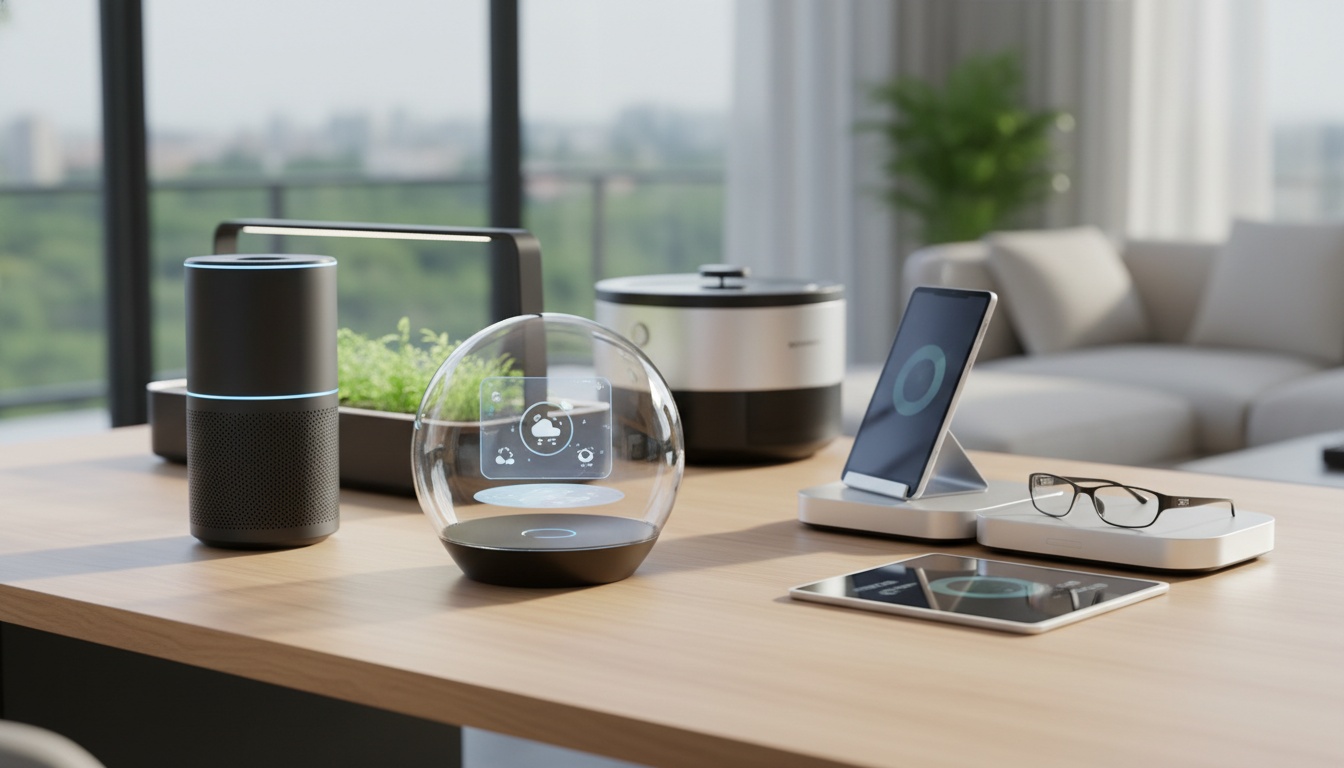
Let’s be honest: some “best home gadgets 2025” lists feel like they were written by someone who’s never spent a Tuesday night cleaning up after a spilled smoothie. Here’s my goal—I want to talk about what tech is genuinely making life better, not just what looks shiny in an ad. So grab a snack, and let’s take a real journey through the most useful, surprising, and sometimes quirky home tech for 2025. I’ll share what the trends actually mean, which gadgets deserve your hard-earned dollars, and why some of them might just change your daily routine more than you’d expect.
Why 2025? The New Wave of Smart Living
I sometimes wonder how different my grandparents’ homes were—no voice assistants, no WiFi, and definitely no robot mops silently judging your floors. But things have sped up. In 2025, more than 74% of US households have at least one smart home device (source: Statista, early 2024). That number keeps climbing because the tech isn’t just for showing off anymore—it’s about real convenience, safety, and, let’s be honest, a little bit of fun.
What’s changed? Devices are smarter and communicate with each other better. Energy savings are no longer just about “eco mode”—your thermostat can literally learn when you’re most chilly vs. when you’re out. Security cameras recognize faces and tell you, “Don’t worry, it’s just your dog walker.” Kitchens… well, wait until we get to kitchens.
Top 5 Best Home Gadgets 2025 (With Surprising Contenders)
Everyone loves a good list. But let’s mix it up—here’s my take on the five gadgets you’ll actually want to use, plus a quick lowdown on what makes them different from last year’s models.
-
Smart Air Quality Monitors 2.0
- New in 2025: These don’t just beep at you when pollen is high; they connect directly to your smart windows and air purifiers, and they can even order replacement filters for you. One friend of mine has allergies, and her monitor actually sent her a shopping list for hypoallergenic bedding last spring. Almost 41% of American homes now have some sort of air sensor (IDC, 2024).
- Pros: Better health, less guesswork, perfect for families with kids or pets.
- Cons: Some models still have clunky apps—or worse, too many notifications. I had to mute mine after it panicked over burnt toast.
-
Multi-Function Robot Vacuums & Mops
- New in 2025: They’re finally reliable enough to dodge pet bowls (most of the time). The latest models map each room and will even customize cleaning sequences based on what it senses—a muddy paw print, spilled cereal, etc.
- Comparison: 2023’s versions often missed corners or sucked up shoelaces. Now? Some vacuums double as security patrols at night, sending alerts if anything looks off.
- Cons: Still a bit expensive (over $600 for the good ones), and some require more maintenance than you’d think.
-
Smart Plugs with Built-In Energy Tracking
- Trend: These used to be “just” app-controlled switches, but now, they track real-time electricity use, predict your bill, and suggest ways to cut costs. After just three months using these, my family shaved 12% off our energy bill—just from catching an old space heater that was secretly gobbling power in the basement.
- Pros: Great for budget-conscious families, helps meet sustainability goals.
- Cons: Some require a separate hub, which is yet another thing to plug in.
-
Smart Fridge Assistants
- New in 2025: These are more than silly screens. The best fridges now suggest recipes based on what’s inside, auto-order your milk, and can even nudge you (politely?) to eat your produce before it spoils. Roughly 27% of new fridges sold in 2025 have these smart features, compared to only 6% three years ago (Consumer Reports).
- Pros: Less waste, healthier eating, fewer “What’s for dinner?” arguments.
- Cons: Pricey. And you’ll need to actually keep your inventory updated for the best advice.
-
Home Security Bundles with AI Detection
- New in 2025: It’s not just about cameras. These systems spot unfamiliar faces, alert you to open windows, and even recognize the difference between your cat and an intruder. My cousin once got an alert at work, panicked, and it turned out it was just her dog … but better safe than sorry?
- Pros: Peace of mind, easier insurance claims (yep, they send you clips).
- Cons: Privacy concerns, especially if you’re not keen on cloud storage.
Trends Shaping the Best Home Gadgets of 2025
Let’s step back and look at the patterns. If you sift through all the hype, a few deeper trends emerge in smart home devices, automation, and home security gadgets:
- Interoperability Is (Finally) Here: In 2025, almost all popular home gadgets play nicely with Google Home, Alexa, and Apple HomeKit. No more “Ugh, wrong ecosystem” headaches.
- Energy & Sustainability: Over 60% of smart home buyers say they’re motivated by potential energy savings. It’s not just about being green—it’s about being practical, too.
- Personalization: Devices learn your patterns and adjust to you—not the other way around. (Remember having to set a timer on your old slow cooker? Welcome to the future.)
- Affordability… Sort Of: Prices are slowly coming down, but high-quality gadgets are still an investment. Expect a few years before robot chefs become “standard.”
Real-World Case Study: The Connected Family Home
I met the Garcia family in Cleveland—mom, dad, two kids, one energetic beagle. They decided to update their old brick house into a “smart home,” but not in a “let’s spend thousands on gadgets” way. Instead, they started with a couple of smart plugs for the kids’ gaming systems (to cut down on midnight play sessions—clever, right?), a robot vacuum, and a doorbell camera.
Within six months:
- Electric bills dropped about 15%—no more forgotten lights on all night.
- The robot vacuum became the “new pet”—kids even named it “Dustin.”
- Doorbell camera helped them resolve a package theft (the video made all the difference with their delivery company).
The surprising part? The gadgets paid for themselves in a year through savings and fewer headaches. And now, the Garcias are slowly adding more, one purchase at a time. You don’t have to go “all in” on day one.
Breaking Down the Costs: Are Home Gadgets Really Worth It?
This is the question I get most—are the best home gadgets of 2025 actually a good investment? Let’s break it down.
- Initial Cost: Smart vacuums and security bundles can run $300–$800 each. Starter smart plugs or sensors can be under $30.
- Monthly Savings: Energy tracking plugs often bring 5–15% monthly savings. Smart thermostats and lights can push that higher.
- Time Saved: Most users estimate 2–4 hours per week freed up (cleaning, remembering to order groceries, running errands).
- Peace of Mind: Hard to put a dollar amount on it, but in surveys, over 68% of smart security users say they “feel safer” at home.
If you’re strategic—start with the gadgets you’ll use every day, and expand slowly—it’s easy to see a return on investment within twelve to eighteen months.
The Hidden Downsides: What No One Tells You
Let’s be real. Not every home gadget is perfect, and some are…well, honestly more trouble than they’re worth.
- Integration Overwhelm: Some systems still don’t play nice together, especially if you mix brands. I once spent an entire Saturday re-connecting my “smart” lights after a router update.
- Data & Privacy Concerns: Any device with a camera or microphone collects data. Some brands are very open about how they use it; others, less so. Always read the privacy policy!
- Subscription Fatigue: Many gadgets require monthly fees for premium features—cloud storage, advanced recipes, etc. Be careful not to oversubscribe.
- Setup Hassles: Some gadgets are plug-and-play, but others need a full afternoon, a ladder, and three YouTube tutorials to install.
My advice? Research before you buy, and talk to friends or neighbors already using these devices. User reviews are gold.
Making Sense of It All: How to Choose the Best Home Gadgets in 2025
Here’s something people often miss: Don’t just buy what’s “new”—buy what solves a problem in your house. That’s the difference between a gadget you’ll show off for a week and one you’ll rely on for years.
- List the tasks or annoyances you want to automate or improve (Is it cleaning? Security? Saving energy?).
- Read about real-world experiences—look for posts or reviews that talk about daily use, not just features.
- Choose gadgets with good support and frequent software updates. (Seriously, nothing’s worse than a smart device that goes “dumb” after six months.)
- Avoid impulse bundles with features you’ll never use. (Do you really need a smart egg tray that texts you daily?)
Remember, technology is supposed to adapt to you—not the other way around.
Quick Myths: Busting the Biggest Smart Home Misconceptions
-
Myth: “You need to be a tech genius to use smart home devices.”
Truth: Most good gadgets in 2025 come with step-by-step apps—if you can use a smartphone, you can use these. -
Myth: “Smart homes are super expensive.”
Truth: The cost has dropped dramatically for essentials. It’s only the super-fancy extras that still carry a big price tag. -
Myth: “More features = better.”
Truth: Often, simpler is better, especially for daily tasks. Buy what you’ll actually use.
Bonus: Gadgets to Watch (and a Few to Skip)
- Watch: Smart induction cooktops—predicting meal times based on your schedule, even preheating before you arrive home.
- Watch: Voice-controlled shower systems (the ultimate “lazy morning” hack?)
- Skip (for now): Smart mirrors with “beauty AI”—most still feel gimmicky and are wildly overpriced.
FAQ: Best Home Gadgets 2025
What’s the first smart home gadget I should buy?
If you’re just starting out, I’d say go with a smart plug or an energy-tracking device. They’re affordable, easy to set up, and you’ll see the benefits (like lower bills or remote control) right away. Plus, it’s a great “test drive” before investing in pricier gadgets.
Are these devices safe from hackers?
Mostly, yes—if you buy from reputable brands and keep software updated. The biggest risk is old, abandoned gadgets or weak passwords. My rule: change your passwords, stick to well-known brands, and always enable two-factor authentication where you can.
Do I need fast internet for smart home gadgets?
For things like robot vacuums or smart plugs, basic WiFi is fine. But for HD security cameras or cloud-connected appliances, faster speeds help a lot. If your internet’s spotty, prioritize wired or local-control gadgets first.
Can home gadgets really save me money?
Yes, if you use them smartly! Energy monitors, thermostats, and smart plugs can trim 5–20% off your bills if you pay attention to their suggestions. But if you just install them and ignore the notifications, you won’t see much change.
Do I have to “go all smart” at once?
Not at all! Start with one or two gadgets, see how you like them, then add more if they really help. Most families add pieces slowly, not all in one weekend.
Final Thoughts: The Human Side of Home Tech
Here’s what sticks with me after looking at the best home gadgets for 2025: The best technology isn’t about being flashy, but about being thoughtful. I love a good gadget, but what I love more is seeing how these tools fit into real families’ routines, making things a bit easier, a bit safer, and maybe even a little more joyful.
I sometimes think about how, a decade ago, it felt like smart homes were something out of a sci-fi show. Now, it’s about picking the tools that genuinely make your days smoother—whether that’s a robot quietly cleaning the kitchen or a fridge that actually helps fight food waste. And in the end, isn’t that what we’re all after? A home that does a bit more, so we have a bit more time for the things (or people, or pets) that matter. That’s the kind of future I can get excited about.