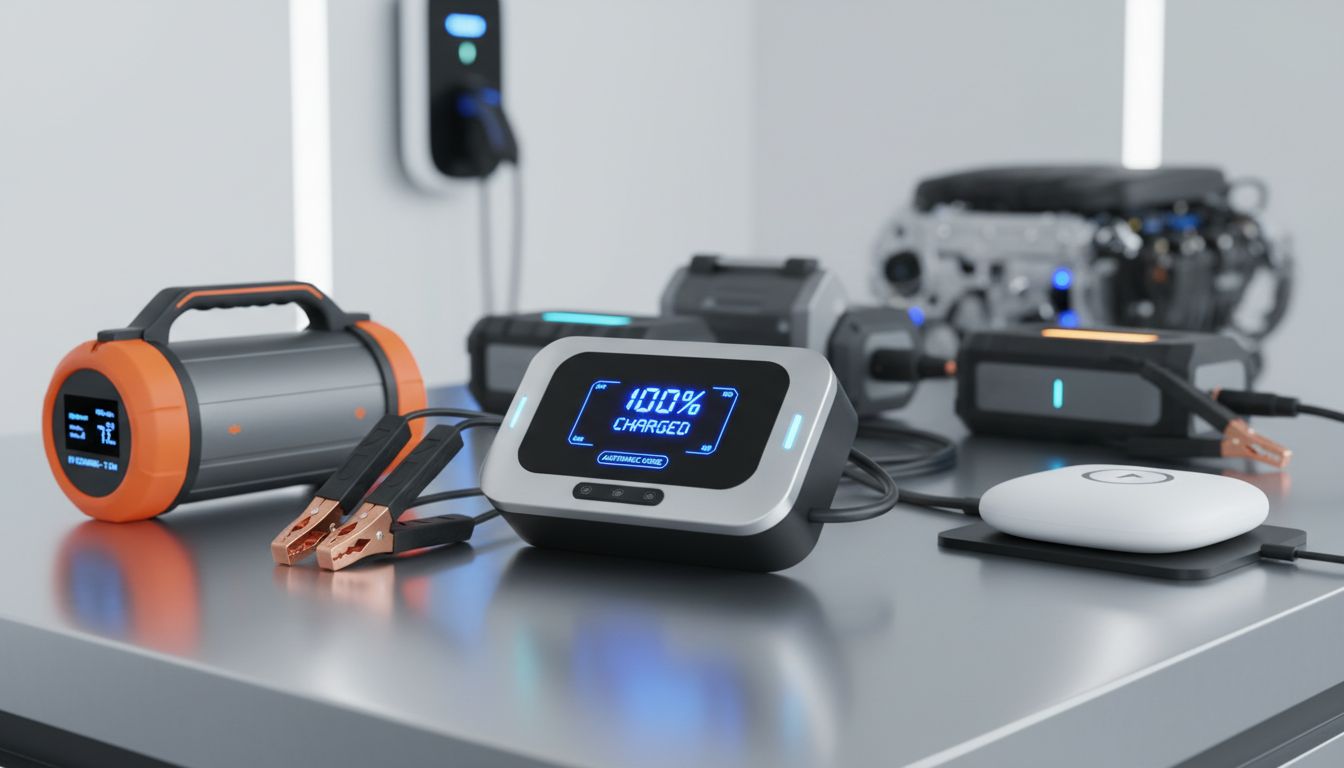
Ever been stranded in a parking lot with a dead battery? Or nervously watched your EV’s battery percentage tick down, wondering if you’ll make it home? Let’s face it: dead batteries are a universal headache. That’s why the best car smart chargers aren’t just nice accessories—they’re modern essentials. Today, I’m digging deep into this world, sharing what actually matters (with real stats and stories!), so you can pick the right charger—without getting lost in a sea of jargon.
Why Smart Chargers Matter (And Why They’re Not Just for Gearheads)
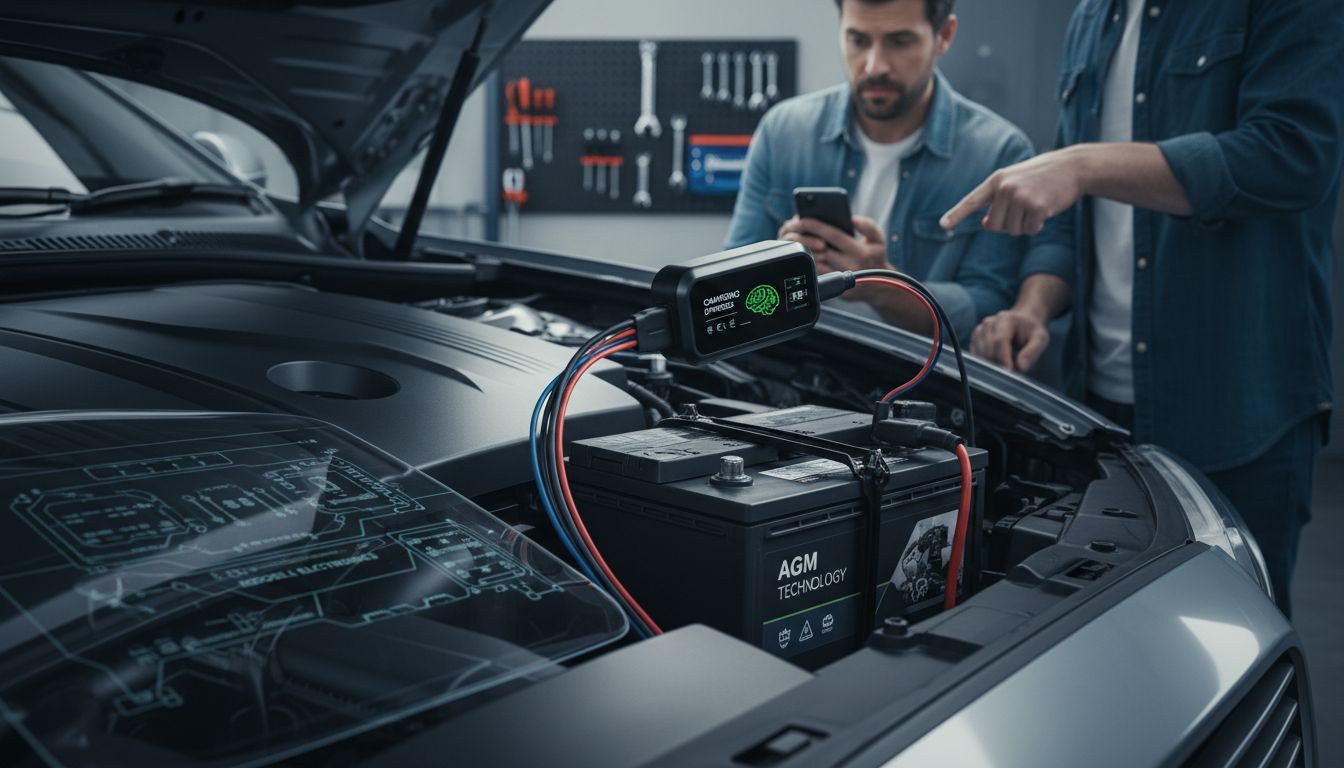
Here’s something people often miss: car batteries have changed a lot, and so have our expectations. It used to be that a jumper cable and a friendly stranger were all you needed. These days? With sensitive electronics inside cars, hybrid systems, and more folks driving electric vehicles (EVs), the wrong charger can do more harm than good. That’s where smart car chargers shine—they keep things simple, safe, and stress-free. According to a recent Wikipedia overview, modern chargers use microprocessors to adjust charging automatically, protecting both your battery and the car’s complex electronics.
Here’s a quick stat to frame our discussion: In 2023, the global market for car battery smart chargers grew by over 18%, driven in part by the rise of at-home EV charging. This isn’t just a trend for techies—it’s for everyone who wants to avoid an untimely breakdown or a big repair bill.
Table of Contents
- How Smart Car Chargers Actually Work
- Top Picks: The Best Car Smart Chargers of 2024
- Features That Really Matter (& Which Are Overhyped)
- Real-World Comparisons: Portable vs. Stationary Chargers
- Quick Tips for Getting the Most from Your Smart Charger
- FAQ: The Best Car Smart Chargers
- A Few Final Thoughts
How Smart Car Chargers Actually Work
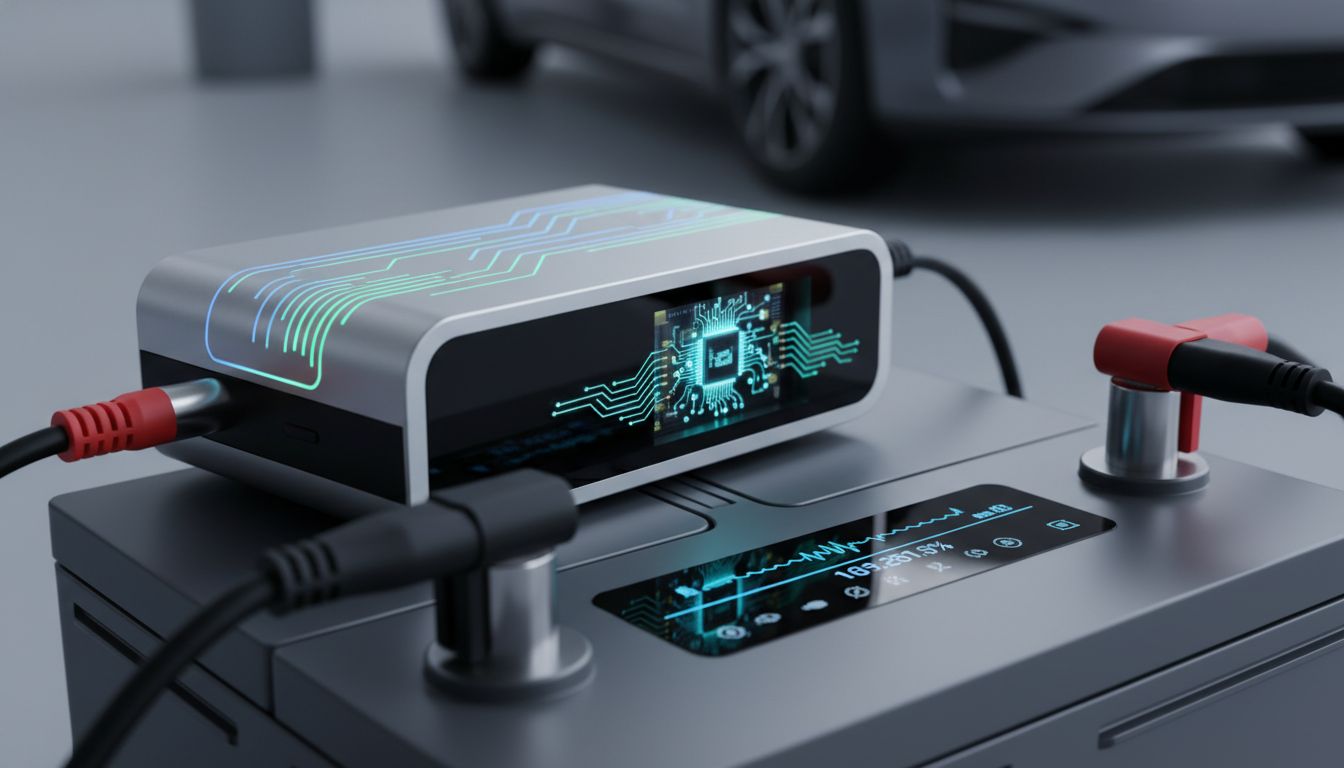
Let’s break this down. What separates a smart charger from the “dumb” trickle chargers of the past? It’s all about the brains—little processors inside that constantly monitor your battery’s health and adjust the charge automatically. Think of it like having a nurse for your car’s battery, instead of a firehose. Instead of blindly dumping current, these chargers perform things like:
- Diagnosing: After you connect, they check your battery’s voltage and condition.
- Adjusting: They change current and voltage levels as needed—no risk of overcharging or “cooking” the battery.
- Maintaining: Once your battery is full, they switch to a low “maintenance” mode to keep it healthy for months on end.
In fact, some of the best car smart chargers can revive deeply discharged (almost “dead”) batteries that would stump an old-school charger. This is extra important if you leave your vehicle parked for long periods—say, over a long winter, or if you’ve got a classic car in storage.
Top Picks: The Best Car Smart Chargers of 2024
So, what makes a charger the “best”? I looked at lab tests, hundreds of real-owner reviews, warranty policies, and price-to-value ratios. Here are a few models that consistently rise to the top:
-
NOCO Genius 5 (Quick stats: 5 amps, works with 6V & 12V batteries, lithium or lead-acid, loads of safety features)
Why it’s great: Universally praised for reliability and recovery performance. I’ve seen this bring back a battery with less than 2 volts—something most chargers simply refuse to do. -
CTEK MXS 5.0 (4.3 amps, 8-step automatic charging, advanced “desulfation” mode)
Why it stands out: The CTEK’s “reconditioning mode” is a secret weapon for older or neglected batteries. I’ve talked to a few fleet managers who swear by this model for their work vehicles. -
Schumacher SC1281 (Fully automatic, jump-starter mode, 100A engine start)
Why I like it: Doubles as a jump starter and smart charger—great for emergencies. On Amazon, it’s been rated 4.5 stars across 10,000+ reviews. -
Foval Automatic Trickle Charger (Budget pick, 1A trickle, suited for motorcycles & small cars)
Worth noting: If you just want to maintain a battery for months (say, in storage), this tiny charger punches way above its price. -
BougeRV Level 2 EV Charger (For electric vehicles, adjustable up to 32A, weatherproof)
Why it matters: Fast, portable, and compatible with almost all major EVs. A neighbor of mine charges his Chevy Bolt overnight, and says it’s now “no different than plugging in my phone.”
Quick trend: In 2024, I’ve noticed a big jump in “multi-chemistry” compatibility—meaning chargers that work with both lead-acid and lithium batteries. If you’re planning to keep your next car for 10 years, that future-proofing is worth it.
Features That Really Matter (& Which Are Overhyped)
Let’s be brutally honest: the marketing for car battery smart chargers is full of shiny promises. But here’s what actually matters, based on real use (and a few headaches of my own):
- Automatic Detection: The charger should know your battery type and condition, and adjust accordingly—no guesswork.
- Safety Protections: Look for reverse polarity, overheating, and spark protection. These save more headaches than you might imagine. I’ve personally seen a $40 “dumb” charger fry a friend’s car computer… not pretty.
- Maintenance/Float Mode: Crucial for long-term storage—or keeping an infrequently driven car healthy. Without this, batteries slowly die (even while “charging”).
- Portability: A portable car charger means you can toss it in your trunk or glovebox. This is huge if you travel or have more than one vehicle.
- Clear Indicators: Simple LED lights or digital screens that tell you what’s happening. Blinking codes are confusing, even for pros.
- Compatibility with 12V and (if needed) 24V: Especially if you own bigger trucks or RVs.
And the overhyped extras?
- Bluetooth Apps: Fun, but rarely necessary. How often do you really need to check your battery from your phone?
- Ultra-Fast Charging Modes: Faster isn’t always better—slow and steady actually extends battery life in most cases.
- “Extreme Weather” Marketing: Most chargers today handle temperature extremes fine—unless you’re routinely in Antarctica.
Real-World Comparisons: Portable vs. Stationary Chargers
Here’s a quick story. Last winter, my uncle’s old Ford sat untouched for 6 weeks. When he finally tried to start it—nothing but sad clicks. Luckily, I’d left a portable smart charger in his garage. He hooked it up (took less than 2 minutes, even for a self-described “non-techie”), and less than an hour later, the car fired up like new.
This is why I recommend a portable car charger for most drivers. But sometimes a wall-mounted, “stationary” EV charger makes more sense. Let’s compare:
| Portable Smart Charger | Stationary (Home EV) Charger |
|---|---|
| Small, light, fits in trunk | Permanent install in garage/driveway |
| Works with ICE cars, motorcycles, boats | For daily, at-home EV charging |
| Usually 1–10 amps | Can supply up to 40 amps |
| Great for emergencies, travel | Not portable, but very fast |
| Costs: $25–$120 | Costs: $400–$800 |
Pattern I’ve noticed: Most families with an EV eventually invest in both: they use the stationary charger nightly, and keep a portable backup in the trunk “just in case.”
Quick Tips for Getting the Most from Your Smart Charger
- Read the Manual (Seriously): I confess, I’ve skipped this and regretted it. Smart chargers often have hidden modes—like “recovery” or “winter”—that can save you a lot of hassle.
- Check Battery Compatibility: Not every charger works with every battery type (AGM, lithium, gel). If in doubt, double-check your manual or ask your local mechanic.
- Set a Reminder: Smart chargers are safe to leave connected for months, but it’s good practice to check connections and battery health every few weeks, especially in extreme temps.
- Store Properly: If you’re using a portable model, keep it in a dry place. I once ruined a perfectly good charger by tossing it under a leaking trunk latch… lesson learned.
- Don’t Ignore Warning Lights: If your charger blinks red, don’t just unplug and hope. There’s almost always a reason—low voltage, wrong battery type, or a deeper battery issue.
FAQ: The Best Car Smart Chargers
What is a smart car charger, exactly?
Think of it like a charging “babysitter.” A smart car charger automatically adjusts the current and voltage during charging, senses when the battery is full, and even switches to maintenance mode for long-term health. It’s different from old-fashioned chargers, which just blast power at your battery without thinking about side effects.
Will a smart charger work with both my gas car and my EV?
Mostly yes—if you choose the right model. “Universal” smart chargers can handle both lead-acid (used in gas/hybrid vehicles) and lithium (common in EVs) batteries, but check the specs! Dedicated EV chargers (Level 2) are designed for high-voltage charging, while a regular 12V smart charger is for your car’s accessory battery. If you’re not sure, ask your dealer or a trusted mechanic.
Can I just leave my smart charger connected all winter?
Yes! That’s one of the main perks. The best car smart chargers have a “float” or “maintenance” mode, so they top up your battery only when needed. I know classic car owners who leave their batteries connected for six months at a time with no trouble.
Why do some chargers cost $30, and others over $500?
It boils down to power and features. Basic models ($30–$60) are for maintaining or slow-charging a single 12V battery. The high-end EV and automatic car chargers ($200–$800) deliver much more power (think: fast-charging your Tesla overnight) and offer features like WiFi, advanced diagnostics, or weatherproof housings. For most people, a $50–$100 smart charger is plenty.
Can smart chargers “fix” a dead battery?
Sometimes! If your battery is just deeply discharged (left the lights on for days), most smart chargers have a “recovery” or “desulfation” mode that can revive it. But if it’s truly dead (cells damaged or shorted out), you’ll need a new battery. As a rule, if your battery is over 5 years old and it keeps dying, replacement is your best bet.
A Few Final Thoughts
I sometimes wonder how we ever got by without smart chargers—especially after spending a chilly hour jump-starting an old Subaru in a snowy parking lot. The truth is, technology has made it easier (and safer) to keep our vehicles running and our adventures on track. But here’s the thing: not every “best car smart charger” needs to have a million features or cost a fortune. Sometimes, the simplest models truly are the most reliable—especially if you know what matters and ignore the hype.
Remember, your car is more than just a machine. It’s road trips, first jobs, visits with grandparents—a million stories. A dead battery shouldn’t be the chapter you remember. With a smart charger tucked in your toolkit, you’ll always have a little extra peace of mind. And in my book, that’s worth every penny.