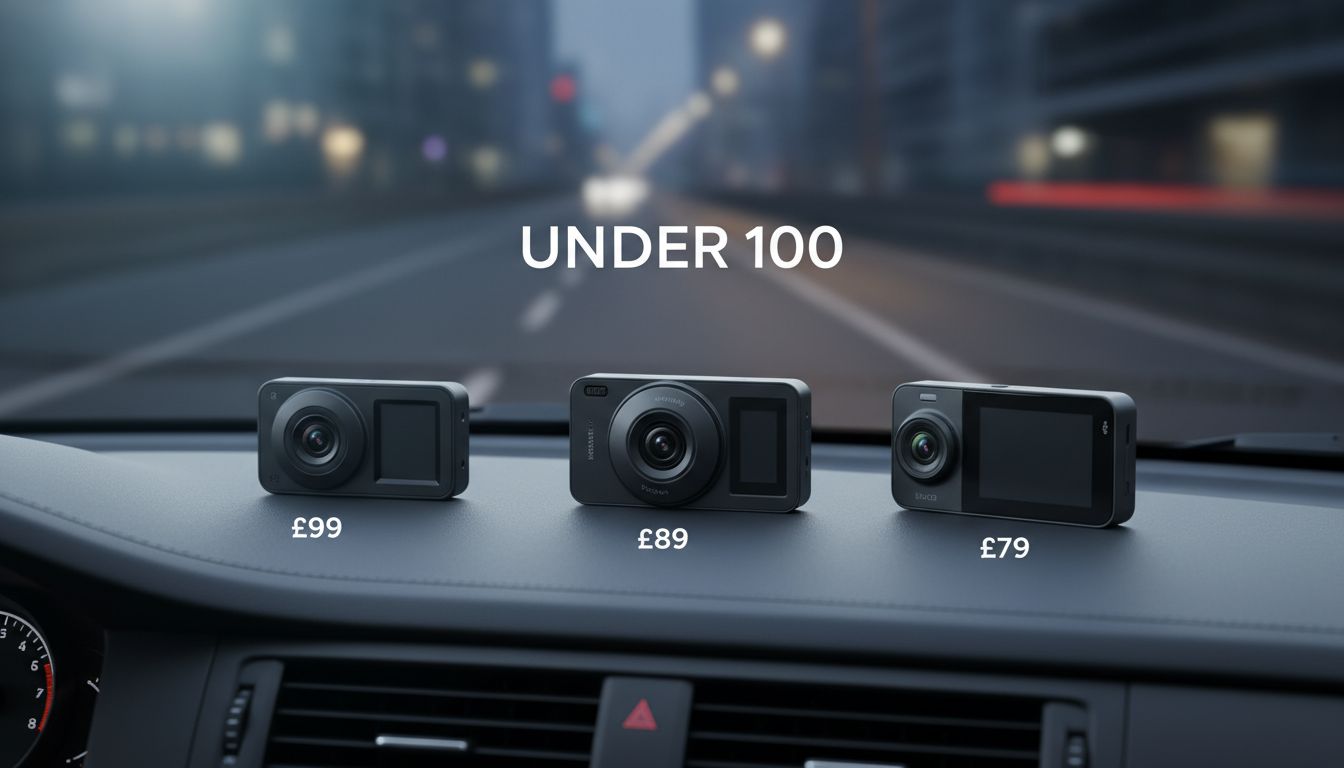
Ever had one of those moments on the road where you wish you’d had a dash cam rolling? Maybe it’s a near miss at an intersection, a breathtaking lightning strike, or—let’s be honest—a squirrel pulling off Olympic-level acrobatics. I’ve been there. The thing is, you don’t need to break the bank for solid protection or peace of mind. In fact, the best car dash cams under 100 bucks are, these days, shockingly good. But, with so many choices, which ones are actually worth it? And why would a $60 camera sometimes beat a $150 one for regular drivers? Let’s break this all down—the practical way.
Table of Contents

- Why You Need a Dash Cam: Stories & Stats
- What Matters in Affordable Dash Cams?
- My Top 5 Best Car Dash Cams Under 100
- Mini Case Studies: When a Dash Cam Changed Everything
- Breaking Down Features: What Do You Really Need?
- Pros & Cons: Budget vs. Premium Dash Cams
- Quick Tips for Choosing the Right Dash Cam
- FAQ: Smart Questions About Dash Cams Under $100
- Final Thoughts: The Road Ahead
Why You Need a Dash Cam: Stories & Stats

Let’s start with a quick reality check: According to recent insurance claims data, dash cam footage can clear up to 80% of disputed accident cases. Not only that—police departments (even in small towns) now often encourage drivers to submit dash cam videos when reporting accidents or road rage. Dash cams aren’t some techy luxury anymore; they’re more like seat belts for your side of the story.
I remember talking to my friend Jamie after a fender-bender. He said, “If only I’d had a camera! The other guy claimed I ran the light, but I swear, he did.” That incident dragged for months, and Jamie lost his no-claims bonus. A $70 investment would’ve saved him hundreds—and a lot of gray hairs.
In the bigger picture, dash cam sales have grown by about 18% year over year since 2021. They’re not just for rideshare drivers or folks with wild commutes. Suburban parents, first-time drivers, and retirees alike are snapping them up. Why? Because things happen fast on the road. Sometimes, it’s your word versus theirs—and the dash cam doesn’t forget.
What Matters in Affordable Dash Cams?

Here’s where people often get overwhelmed. You’ll see 4K claims, GPS, Wi-Fi, night vision, dual cameras…the list goes on. But which features do you really need, especially when hunting for the best car dash cams under $100? Let’s cut through the marketing noise.
- Video Quality: For less than $100, look for at least 1080p (Full HD). That’s enough to read license plates and pick up road signs in most lighting.
- Night Vision: Some cheap models struggle after dark. If you drive at night a lot, check for Sony sensors or enhanced infrared (IR) LEDs.
- Loop Recording: This automatically overwrites old footage, so you’ll never run out of space on your memory card—a must-have, even in budget cams.
- G-Sensor: This detects sudden bumps or impacts and saves the critical footage—so it can’t be erased accidentally.
- Easy Mounting: If you’ve ever tried installing a stubborn suction mount in the winter, you know why this matters!
Sure, some dash cams under $100 even offer Wi-Fi or app connectivity. It sounds cool, but honestly? These extras sometimes work better on paper than in real life. I’m more interested in clear footage, easy controls, and reliability.
My Top 5 Best Car Dash Cams Under 100
After months of reading dash camera reviews, tinkering with models, and talking to drivers (including rideshare pros), here are my five honest picks—each with a little context.
-
Viofo A119 V3 (Frequently at $89-99)
- Video Quality: 1440p (higher than standard Full HD). Crisp in most conditions.
- Night Vision: Impressive for the price. Reliable even on rural roads.
- Why I Like It: The GPS and parking mode are rare at this tier. It’s a “set it and forget it” device.
- Possible Downsides: No rear camera. The menu can feel clunky at first.
-
Apeman C450A
- Video Quality: 1080p. Good in daylight, a bit grainier at night.
- Ease of Use: Large buttons, plug-and-play setup.
- Night Vision: Fair, but don’t expect miracles in pitch dark.
- Best For: Folks who want simplicity, especially first dash cam buyers.
-
TOGUARD CE41 Dual Dash Cam
- Video Quality: 1080p front, 480p rear. Rear cam is basic but handy.
- Value: Two cameras for under $70? Hard to argue.
- Features: G-sensor, parking monitor, basic night vision.
- Drawback: Rear camera’s video is serviceable, not cinematic.
-
Rove R2-4K (Often $99 on sale)
- Video Quality: Up to 4K, but 1080p is more consistent for everyday use.
- Wi-Fi/App: Actually works better than most in this price class.
- Night Vision: Above average, especially in city lights.
- Heads Up: Needs a high-quality SD card for best results.
-
Vantrue N1 Pro Mini
- Video Quality: Compact, discreet, 1080p resolution.
- Reliability: Survives hot and cold climates better than many budget cams.
- Downside: Tiny screen makes menu navigation fiddly.
Each of these brings a slightly different strength to the table. Want something ultra-stealthy? The Vantrue. Need reliable night vision and GPS? Viofo. Want a front-and-back view on a tight budget? TOGUARD’s got you.
Mini Case Studies: When a Dash Cam Changed Everything
Sometimes, it’s the smallest detail that matters. I interviewed three drivers who shared these brief stories:
- Kelly (rideshare driver): “A passenger claimed I took a weird route and tried to overcharge him. I showed the dash cam route and timestamp. Case closed. My rating actually improved.”
- Marcus (construction worker): “Got rear-ended at a stoplight. The other driver tried to blame me for ‘stopping suddenly’. The dash cam caught the whole thing, including her texting. Saved me a $1,000 insurance hike.”
- Priya (suburban mom): “Caught a neighbor’s dog running into the street. It helped clear up who was responsible when he got loose. Not what I expected, but worth every penny.”
These aren’t movie moments, but in a world where “your word” isn’t always enough, $50–$100 can be the difference between stress and relief.
Breaking Down Features: What Do You Really Need?
Let’s get nerdy for a minute (bear with me, it’s worth it). Sometimes, it’s easy to get sold on the “biggest” specifications, but what actually matters day-to-day?
- Resolution vs. Lens Quality: A 1080p cam with a good lens often beats a ‘cheap 4K’ with a plastic lens. Why? Sharpness, low-light handling, and less distortion—especially important for reading plates on a rainy night.
- Battery vs. Capacitor: Many affordable dash cams use batteries that can swell or fail in heat. Capacitor-based models, like the Vantrue N1 Pro, handle extreme temps better—worth considering if you park outside.
- Screen Size: Big screens are nice for changing settings, but they can also tempt thieves. I personally prefer smaller or no-screen designs for stealth, especially in city parking.
- Mounting Type: Suction cups are easy but can come loose in hot weather. Adhesive mounts are more solid but less movable. If you switch cars, suction is easier.
Here’s something people often miss: The “fanciest” feature doesn’t matter if you never use it. A rock-solid 1080p camera with a good G-sensor will protect you far better than a buggy 4K Wi-Fi cam that’s hard to use.
Pros & Cons: Budget vs. Premium Dash Cams
Are expensive dash cams always better? Well, yes and no—and that’s not just a cop-out. Here’s my honest breakdown:
| Budget Dash Cams (<$100) | Premium Dash Cams ($150–$400) |
|---|---|
|
|
|
|
In the end, for most everyday drivers, the best car dash cams under 100 dollars are a sweet spot. They cover the essentials with just enough extras (like parking mode or Wi-Fi) to satisfy without overwhelming you.
Quick Tips for Choosing the Right Dash Cam
If you’re scanning Amazon or your local electronics store, keep these points in mind:
- Read recent dash camera reviews: Look for feedback about reliability six months in. A dash cam that’s glitchy after three months isn’t a bargain.
- Check compatibility: Some dash cams only accept up to 32GB SD cards; others allow 128GB or more. More memory = more footage.
- Think about placement: If your windshield is steep (like in a Prius), double-check the mounting options.
- Don’t overpay for “super night vision” unless you drive at night a lot. Good enough night mode will serve most people.
- Consider customer support: Brands like Viofo and Vantrue actually respond to warranty claims. That matters if you ever need help.
I sometimes wonder how many dash cams end up in glove boxes, never used because the menus are confusing or they stopped working. Don’t let yours be one of them!
FAQ: Smart Questions About Dash Cams Under $100
Will a cheap dash cam really hold up in extreme heat or cold?
Great question! Most budget dash cams use lithium batteries, which can have trouble in very hot or cold climates. I recommend looking for a model with a super capacitor if you live somewhere with extreme temps. They last longer and are less likely to fail. Still, even a battery model can work fine—as long as you don’t leave it baking on the dashboard all day.
Can I easily install a dash cam myself, or should I get it professionally done?
For the vast majority of dash cams under $100, you won’t need a pro. They come with suction or adhesive mounts and plug right into your cigarette lighter or USB port. The main “trick” is hiding the cable for a clean setup. There are tons of YouTube videos for most models if you get stuck. Only consider pro install if you want hardwired parking mode or a super stealthy look.
Is 1080p good enough for reading license plates?
Usually, yes—especially in daylight. Night or bad weather can make things tricky, but even high-end cams struggle sometimes. For most insurance or legal cases, clear 1080p will do the job, as long as the lens is decent and the camera is aimed correctly. Resolution isn’t everything; try to keep your windshield clean, too!
How long will recordings stay on my SD card?
Most dash cams use “loop recording,” meaning they record over the oldest video once the card is full. With a 32GB card and 1080p footage, you’ll usually get 4–6 hours saved at any time. If you want more footage, get a bigger SD card (if your cam supports it). Important events (like accidents) are locked automatically, so they won’t be erased.
Are dash cams legal everywhere?
In most places, yes—but some US states and countries have rules about windshield obstructions or recording people without consent. Always mount the dash cam in a spot that doesn’t block your view and check your local laws if you’re unsure. Most major brands have compact designs that stay out of the way.
Final Thoughts: The Road Ahead
I’ll admit it: I resisted getting a dash cam for years. It seemed like just another gadget—until a friend’s dash cam video turned an impossible insurance case into a cakewalk. After that, I installed a sub-$100 model in both my own and my partner’s cars. It’s not just about “catching” other drivers. It’s peace of mind for road trips, city commutes, or even oddball moments that turn into great dinner stories.
If you’re still on the fence, just remember: the best car dash cams under 100 dollars today are years ahead of what even the police had a decade ago. Technology moves fast, but sometimes the best safety upgrades are the ones that just quietly do their job.
So, next time something wild (or unfair) happens on the road, you’ll have a silent witness. And who knows—you might even catch a squirrel doing backflips, too.