
Earthquakes never call ahead, and when the ground shakes, our pets rely on us more than ever. I’ve seen how a few minutes of chaos can leave animals terrified for hours—or even lost for days. No one likes to think about disasters, but learning how to protect pets during an earthquake isn’t just smart—it’s an act of love. If you’ve ever wondered what it really takes to keep your dog, cat, or feathered friend safe when the world seems to fall apart, you’re in the right place.
This guide blends scientific insight, practical know-how, and a bit of heart—because our pets are family. We’ll break down why earthquake prep for animals matters, the must-have steps every pet owner should know, and a few surprising facts (like why cats often disappear after a quake). And, yep—I’ll share a mini-story or two, because real life is where these lessons count.
The Real Risk: Why Earthquake Preparedness for Pets Matters
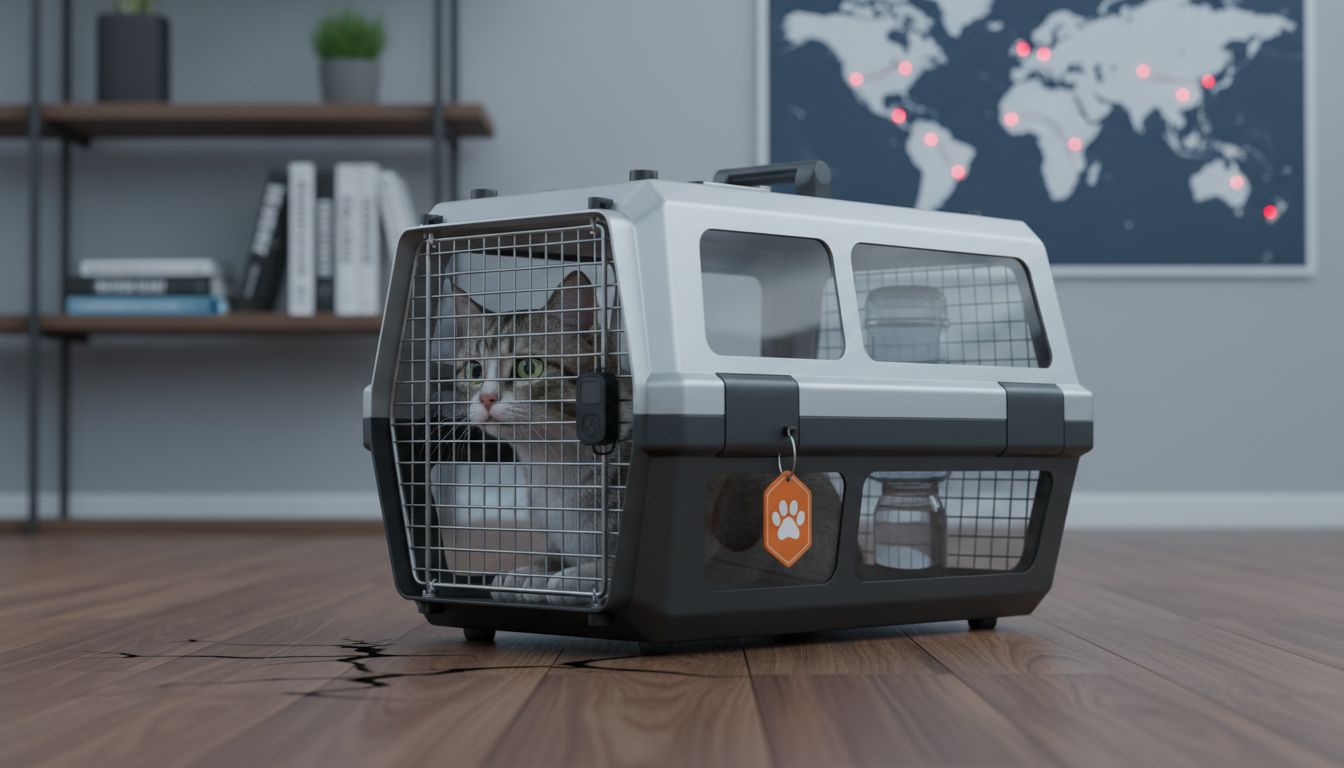
If you think earthquakes are rare, think again. According to the United States Geological Survey, there are hundreds of earthquakes worldwide every single day—though most are too small to notice. In high-risk areas like California, Japan, and Chile, moderate to major quakes strike several times each decade.
But here’s the overlooked angle: an estimated 65% of pet owners have no disaster plan that includes their animals. After big earthquakes, up to one-third of pets in affected zones are reported lost, injured, or missing within the first 24 hours. In fact, following the 2011 Tōhoku earthquake in Japan, animal shelters saw a 30% surge in displaced pets, many separated from families for weeks.
Why does this happen? First, pets panic just like people. Dogs may bolt, cats may hide or escape, and birds or small mammals can be crushed or frightened into shock. And when the world shakes, even the calmest animal’s instincts kick in.
Understanding Pet Behavior During Earthquakes

Let’s pause and think about this: have you ever noticed how animals seem to sense something before a quake? There’s sound science behind it—many pets pick up on vibrations or shifts long before humans do. But even so, they can’t process what’s happening; they just feel scared.
Some typical animal responses to earthquakes:
- Dogs might bark, whine, shake, or dart for the door.
- Cats often run for the nearest hiding place or try to flee outside.
- Birds can thrash in cages or even injure themselves in panic.
- Small mammals (like rabbits or hamsters) might freeze or bite from fear.
I remember my neighbor’s cat, Luna, after a mild tremor—she vanished for two days, only to be found wedged behind the water heater. Why? Stress can literally make animals act in unpredictable ways.
How to Protect Pets During an Earthquake: Step-by-Step
1. Build a Pet-Specific Earthquake Emergency Kit
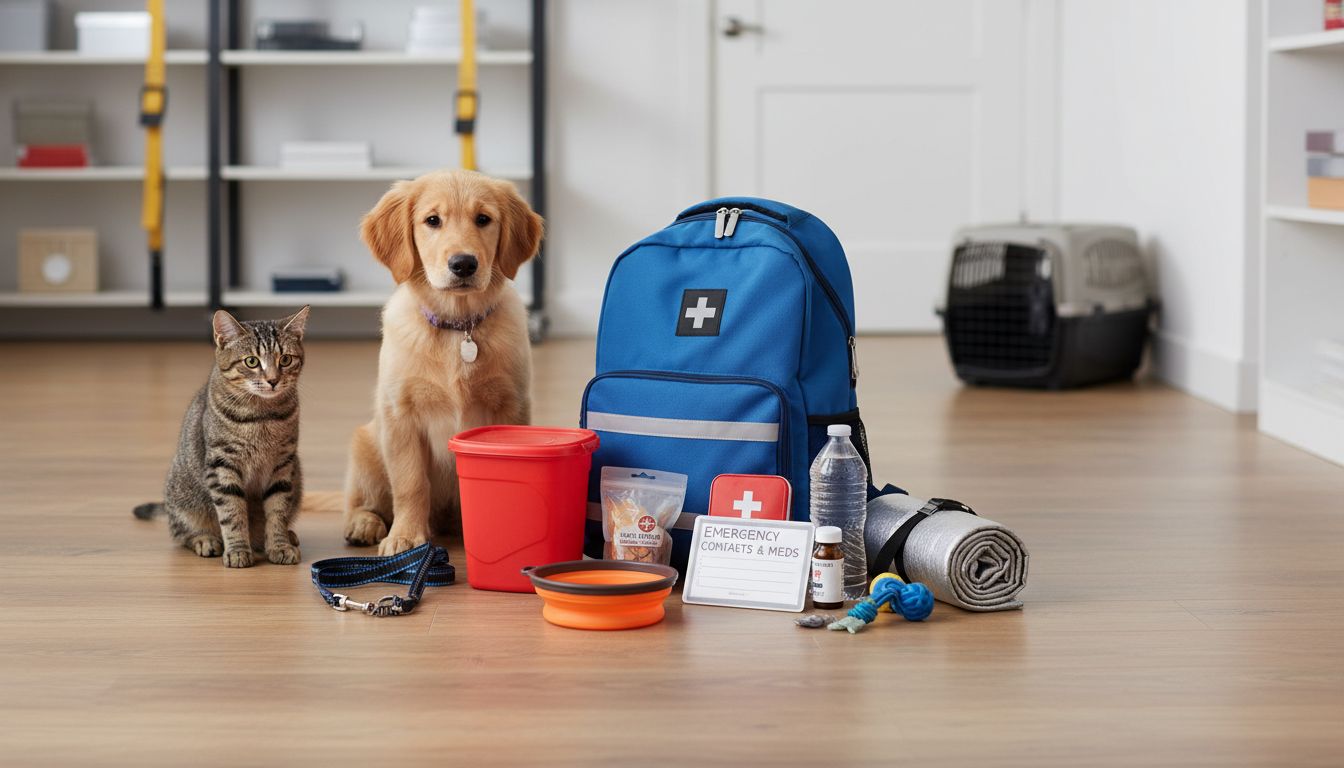
Let’s break this down: would you have everything you need if you had to leave your house suddenly? For your pets, an emergency kit is non-negotiable. Here’s what you need:
- Food and water (3-7 day supply per pet)
- Collapsible bowls
- Leash, harness, and carrier (cat/dog crate)
- Medications and copies of vet records
- Photo of your pet (in case of separation)
- Comfort items: a favorite toy or blanket
- Waste bags, litter, or cage liners
- List of emergency contacts, including your vet
Pro tip: Rotate food and water every six months so it stays fresh. And if you have an exotic pet (say, a parrot or iguana), add anything species-specific they’d need to survive for a week.
2. Secure Your Home with Pets in Mind
This is where practical earthquake pet safety really comes alive. Most injuries to pets come from falling objects, broken glass, or toppled furniture—not the earthquake itself. So, here’s what you can do right now:
- Anchor bookshelves, TVs, and heavy objects to walls.
- Secure aquariums on low, stable surfaces away from windows.
- Keep pet beds away from shelves or anything that may fall.
- Store leashes, crates, and emergency kits in an easy-grab spot (near the door is best).
It might sound like overkill—but an hour of prep can save your dog or cat from serious injury. I’ve seen a single unanchored bookshelf cause chaos for pets during a 5.5-magnitude aftershock.
3. Train Your Pets to Respond
Okay, let’s be honest—most cats won’t “drop and cover” on command. But you can train dogs (and some cats) to associate crates or safe spaces with comfort. Try this:
- Make a crate or small room (like a bathroom) your pet’s “safe zone.”
- Practice short “go to safety” sessions, rewarding them with treats.
- Get them used to crates and carriers as positive spaces—not punishment.
During an earthquake, having a pet who willingly goes to a crate or room can mean the difference between safety and panic.
4. Identification: The Non-Negotiable Step
Here’s something people often miss: collars can fall off in a quake, doors break, and scared pets can slip away. Microchipping your pet is one of the best ways to ensure you’ll be reunited if separated. Studies show that microchipped dogs return home 52% of the time, compared to just 22% for those without chips. For cats, the difference is even starker: 38% (chipped) vs. 2% (unchipped).
5. Create a Simple, Actionable Pet Disaster Plan
Everyone’s heard of “stop, drop, and roll.” But what’s your earthquake plan for pets?
- Identify two or three safe rooms or corners (away from windows and shelves).
- Practice getting pets into carriers or safe spaces quickly.
- Arrange a “buddy system” with neighbors—can they check on your pets if you’re not home?
- Know the closest pet-friendly evacuation shelters. Some only accept service animals, so research ahead.
Keeping Pets Calm During and After the Quake
Let’s talk about the emotional side. Earthquakes are terrifying for pets—sometimes even more than for us. Dogs, for instance, may develop storm or noise phobias after a big quake. Cats can refuse to eat or use the litter box. I’ve seen birds pluck out their own feathers from post-quake anxiety.
How do you help?
- Stay as calm as possible—your energy affects your pets.
- Speak in soft, reassuring tones.
- Offer familiar objects (toys, bedding) to provide comfort.
- Keep routines as normal as possible in the days after the quake.
Sometimes, a vet visit is needed if anxiety lingers. There’s no shame in asking for help—about 12% of pets show lasting stress symptoms after major disasters, according to animal behavioral studies.
Case Study: When the Big One Hit—Lessons from Real Owners
Let’s put this into perspective. After the 1994 Northridge earthquake in Los Angeles, emergency animal services reported over 2,000 lost or displaced pets in just 72 hours. One family, the Garcias, shared that their two dogs ran out a shattered window when the quake hit. “We had no plan, and their tags were out-of-date,” Mrs. Garcia recalled. “It took four days and dozens of calls before we found them at an animal shelter across the city.”
Contrast this with another pet owner, Mike, whose beagle was crate-trained. His dog took shelter in her crate as the shaking started—and stayed calm. Mike grabbed his pet emergency kit, leashed his dog, and left the house with minimal fuss. “I never thought training a simple ‘go to crate’ command would matter. But it sure did,” he said.
Pros and Cons: Pet Earthquake Preparedness Steps
| Prep Step | Pros | Cons |
|---|---|---|
| Pet Emergency Kit | Immediate supplies, peace of mind | Needs regular update; storage space |
| Home Safety Measures | Reduces injury risk, protects all family | Time-consuming, upfront cost |
| Training/Crate Habituation | Quicker response, calmer pets | May be tricky with some animals |
| Microchipping | Best for lost pet recovery | Not everyone checks chips; upfront cost |
| Buddy System/Neighbor Plan | Back-up care, community safety | Requires trust, coordination |
Special Note: Protecting Different Types of Pets During an Earthquake
Dogs and Cats
Most advice above applies here: secure carriers, ID them, practice emergency routines.
Birds
Secure cages to wall or stable furniture. Keep a cover or towel to place over cage (reduces panic). Have a backup carrier for quick evacuation.
Small Mammals and Reptiles
Keep habitats on low, secure surfaces. Avoid glass tanks on high shelves. Prepare portable cages for quick exit.
Fish
Aquariums are especially vulnerable: anchor them well, and keep a battery-powered air pump in your emergency kit in case of power outage.
Earthquake Pet Safety Myths Debunked
- “My pet will be fine—they can sense danger and hide.”
Not always. Frightened pets may actually run into more hazardous spots or escape outside. - “All shelters take pets in emergencies.”
Many general shelters only accept service animals. Plan for pet-friendly locations in advance. - “Leashes and crates are cruel during disasters.”
They’re actually the safest way to keep pets under control and reduce panic—especially in chaotic environments.
Quick Tips Recap: Your 1-Minute Checklist
- Make a pet emergency kit (food, meds, ID, comfort items).
- Secure your home (anchor shelves, relocate beds/crates).
- Practice crate or safe-room drills.
- Ensure microchips and ID tags are updated.
- Arrange backup plans with neighbors.
- Know your nearest pet-friendly shelter.
FAQ: How to Protect Pets During an Earthquake
What should I do with my pets during the shaking?
First, stay calm. If your pet is nearby, guide them into their crate or a safe room away from windows and falling objects. Don’t chase panicking animals—they may bolt. After the shaking, check them for injuries before moving them.
How do I calm my pet after an earthquake?
Keep routines as normal as you can. Offer familiar toys, talk softly, and stay close. Some pets may need extra reassurance (or even medical help) if they’re very anxious. It’s okay to spend extra cuddle time—studies show this can lower animal stress levels.
Should I leave my pet behind if I evacuate?
Never, if you can avoid it. Pets left behind are at higher risk of injury, starvation, and getting lost. Always have a plan to take them with you—pet carriers and emergency kits make this much easier.
How can I make my house safer for pets in earthquakes?
Anchor heavy furniture, keep fragile items on lower shelves, and set up pet beds or crates away from hazards. Store leashes and emergency supplies in an easy-access spot. Small upfront changes can mean big safety improvements.
Are microchips really necessary?
Absolutely. Collars and tags can be lost easily during disasters, but microchips provide permanent ID. They dramatically increase your chances of being reunited with your pet if separated—which, honestly, is priceless peace of mind.
Final Thoughts: It’s About Love, Not Just Logistics
I sometimes wonder what my own pets would do if a big earthquake struck. The truth is, all the planning in the world can’t guarantee perfection. But every step we take—building a pet emergency kit, practicing a safety drill, updating a microchip—is a promise that we’ll do everything possible to keep our furry, feathered, or scaled family safe.
The world can turn upside down in an instant. Learning how to protect pets during an earthquake is about more than checklists and kits—it’s about showing up for those who can’t protect themselves. Maybe that’s a little sentimental, but, well… I think our pets are worth it. Don’t you?