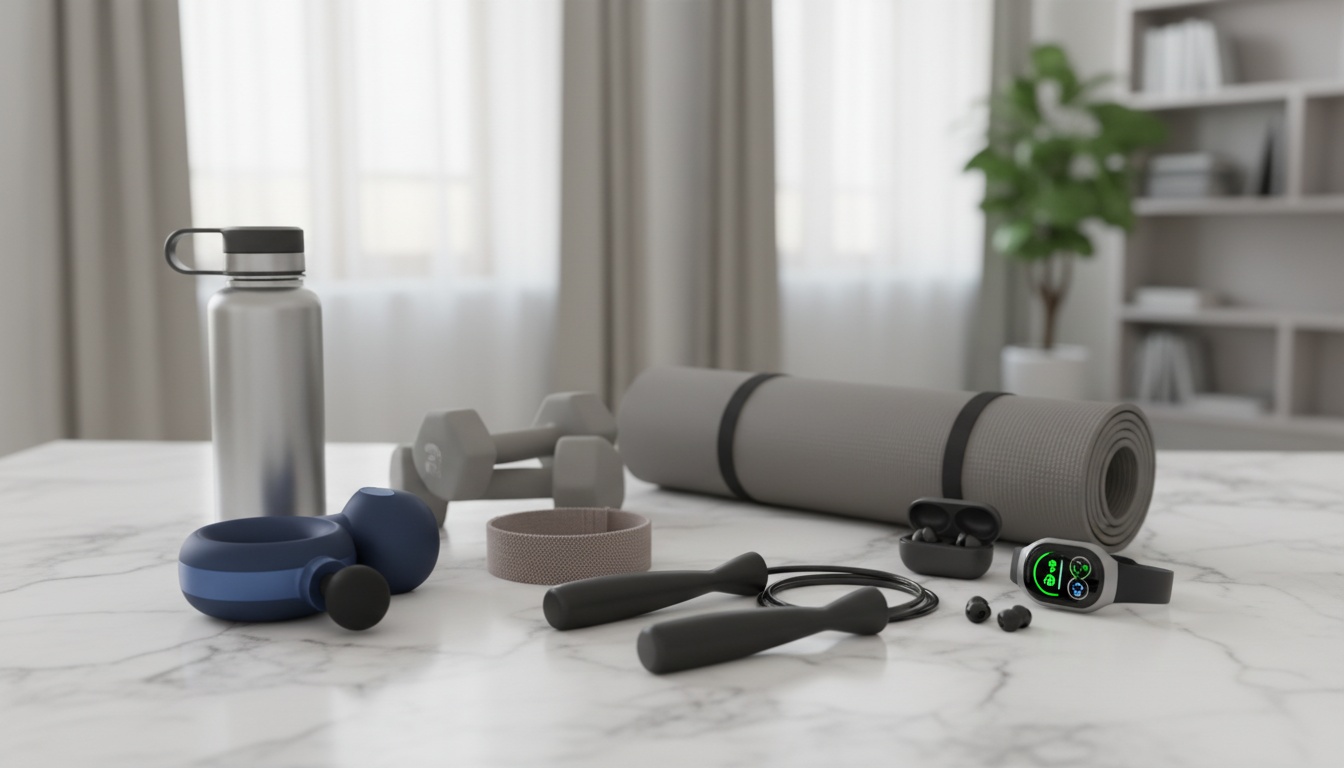
It’s kind of amazing how, in just the past few years, the world of fitness gadgets has exploded. I still remember the first basic pedometers—those clunky little things that just counted your steps (usually wrong). Now, you’ve got gadgets that track your heart rate, sleep, stress, even how much water you drink—all in something barely larger than a stick of gum. If you’re searching for the best portable fitness gadgets, you probably want more than just hype: you want stuff that actually fits your life, your bag, and your goals.
Let’s really dive into what makes these devices “portable,” why some rise above the rest, and how you can actually use them to, you know, get healthier—not just collect dust in your backpack. Oh, and I’ll sprinkle in some numbers and trends that surprised me while researching this. Ready?
Portable Fitness: Why It’s (Finally) Sticking
Here’s something people often miss about portable fitness gadgets: it’s not just about exercise. It’s about making movement a no-brainer, wherever you are. That might explain why, according to a recent Statista forecast, the global market for wearables is expected to hit nearly $100 billion by 2027. That’s not just for gym rats!
More than 60% of wearable tech users say that portability is a primary reason for buying. It makes sense: with school, travel, or even just running errands, who wants another big gadget to lug around? The best portable fitness devices are now:
- Lightweight (most weigh under 2 ounces)
- Rechargeable (some last 5+ days per charge)
- Easy to pair with smartphones
- Discreet—or at least stylish enough you don’t mind showing them off
But not all “portable” gadgets are equal. Let’s break down some of the types, and which ones are actually worth your attention (and your money).
Categories of Portable Fitness Gadgets: What’s Out There?
All “fitness gadgets” aren’t created equal. It gets a little overwhelming, so here’s a quick breakdown:
- Fitness Trackers & Smartwatches – Think Fitbit, Apple Watch, Garmin, Xiaomi. These track steps, sleep, heart rate, and more.
- Portable Exercise Equipment – Resistance bands, foldable yoga mats, mini foam rollers. Simple, but game-changing for routines.
- Body Composition Scanners – Slim devices that tell you your body fat, muscle mass, hydration (some plug right into your phone!).
- Smart Jump Ropes – Yes, they exist. They count jumps, calories, and even sync with apps.
- Wireless Earbuds with Fitness Tracking – Sounds like sci-fi, but brands like Jabra and Amazfit are doing it.
Here’s what really matters: which of these categories fits your routine, and which devices actually deliver what they promise?
What Makes the Best Portable Fitness Gadgets “Best”? (A Mini Case Study)
Let’s say you’re a student, busy commuter, or just someone who likes to work out outside. The best portable fitness gadgets will share a few important things:
- Battery Life – If it dies before the end of the day, it’s useless. Some smartwatches last 1–2 days, but simpler fitness bands can go a week or more.
- Accuracy – Step counters have come so far. The top-rated fitness trackers are accurate within about 1–5% for step counts and heart rate. Not perfect, but close enough for most goals.
- App Ecosystem – It’s no fun if data just sits on your wrist. Look for devices with good apps (or ones that sync with Apple Health or Google Fit).
- Durability – I’ve dropped a fitness band in the pool (whoops), hiked with one through rainstorms, and even accidentally put a tracker through the wash. The best ones don’t quit. Check for water-resistance (usually 3ATM/5ATM or “IPX8” ratings).
Here’s an example: My friend Emma, who never thought of herself as “sporty,” got a basic Xiaomi Mi Band for under $50. She wore it every day for a year, tracking sleep, walks, and even short runs. She said the “nudges” to stand up or move really worked. In a year, she lost 8 pounds—not by magic, but by being nudged just a little every day. That’s the kind of “best” I’m talking about: gadgets that make real change possible.
Which Devices Are Dominating Right Now?
Let’s look at some of the best-sellers and why they’re catching on:
- Fitbit Charge 6 – Tracks heart rate, steps, sleep, and now even stress levels. Battery: up to 7 days. Not too flashy, but always in “top 5” lists.
- Apple Watch SE (2nd Gen) – More than just fitness, but its activity rings, GPS, fall detection, and app connections are fantastic. Downside? Battery life is just “okay” (about 18 hours).
- Oura Ring – I admit I was skeptical. A ring? But it’s surprisingly effective for sleep, readiness, and recovery tracking. Plus, easy to forget you’re wearing it.
- Theragun Mini – Not a tracker, but a mini portable massage gun. Weighs less than a pound, and it’s a dream for sore muscles post-run. The downside: it’s not cheap.
- TRX GO Suspension Trainer – Barely bigger than a water bottle, this lets you do strength workouts anywhere. No batteries, just clever physics. I personally keep one in my car trunk “just in case.”
Notice a pattern? The best portable fitness gadgets are either very high-tech (lots of sensors, apps) or ultra-simple and sturdy. Not much in-between, because if it’s too complicated or too flimsy, people just don’t use them consistently.
Quick Comparison: Fitness Trackers vs Portable Exercise Tools
| Fitness Trackers | Portable Equipment | |
|---|---|---|
| What they do | Track steps, heart rate, sleep, calories, more | Help you do strength, flexibility, or cardio workouts anywhere |
| Best for… | People who like data, seeing trends, gamifying movement | People who want to do workouts, not just track them |
| Downsides | Can get obsessed with numbers, some need frequent charging | Require actual effort and discipline, not as “automatic” |
If you’re a “numbers person,” trackers might motivate you. If you need something physical, grab a resistance band set or a yoga mat that rolls up tiny. Honestly, I think a mix of both is best for most people.
Hidden Gems: Underrated Portable Gadgets Nobody Talks About
Here’s something I bet most “best portable fitness gadgets” lists skip: the stuff that flies under the radar but really works for certain people.
- Portable ECG/EKG Monitors – If you (or your parents) have heart issues, these pocket-sized gadgets can spot problems before they get serious.
- Smart Water Bottles – HidrateSpark bottles glow when you need to drink. It sounds dorky, but studies show mild dehydration zaps energy by 2–5% (enough to notice!).
- Mini Massage Balls & Rollers – Ever try rolling your feet on a lacrosse ball after a long walk or run? Tiny tool, huge relief. I keep one in my backpack for travel days.
- Smart Jump Ropes (e.g., Tangram Rookie) – Gamifies cardio. Tracks jumps and calories, syncs with an app. I know a teacher who does “jump rope competitions” with students across the country using these.
Do These Gadgets Work—Or Just Feel Good?
This question always comes up. Here’s my take, after seeing my own friends and family use them (and sometimes give up):
- Gadgets alone won’t change your health. They’re tools, not magic spells. But, data shows people with fitness trackers walk about 2,500 more steps per day on average than those without. That adds up to roughly an extra mile daily.
- Portable gadgets lower the barrier. If you have a band in your bag, you’re more likely to stretch between classes or do a few push-ups in the park.
- But: The novelty can wear off. About 30% of new wearable users stop using them after six months. It helps to set specific goals—like “close my activity rings every day for a week”—rather than just hoping the gadget will keep you motivated forever.
Expert Insights: How to Choose (and Actually Use) the Right Portable Gadget
I talked to a physical therapist and a personal trainer while researching this. They both said the best portable fitness gadgets are the ones you’ll use—consistently. Here’s how they suggested choosing:
- Start with your biggest need: Is it motivation? Pain relief? Tracking workouts? Building strength?
- Check compatibility: Does it work with your phone or other devices?
- Prioritize durability: Look for “water-resistant” or “drop-proof.”
- Try before you buy, if possible. Some gadgets feel awkward on your wrist or finger—store demos help.
- Set a “trial period.” Give yourself 30 days to see if you actually use it.
And, maybe most importantly: Don’t buy three gadgets at once. Start with one, build the habit, then see if you really need something extra.
Portable Fitness Myths (Let’s Bust a Few)
- Myth: “The more expensive the gadget, the better it works.”
Truth: Some budget fitness bands (under $50) beat $200 trackers for battery and step accuracy. - Myth: “Data automatically equals progress.”
Truth: Collecting data helps, but you need to actually act on it—move more, stretch, or sleep earlier! - Myth: “Portable equipment is just for beginners.”
Truth: Elite athletes use resistance bands, massage balls, and smart trackers for travel and recovery.
Quick Tips: Making Your Fitness Gadgets Actually Work For You
- Set “micro-goals”—like 3,000 steps by lunch, or 1 jump rope session per day.
- Pair your gadget with real rewards (ice cream for hitting all your rings? Why not, sometimes!).
- Don’t forget: charge it while you shower or sleep. That’s the most common reason people “stop” using wearables.
- If you’re shy about workouts in public, use bands or apps at home. Progress is progress.
FAQs: Real Questions About the Best Portable Fitness Gadgets
Do cheap fitness trackers work as well as expensive ones?
Surprisingly, for basic stuff like steps and sleep, a lot of budget trackers are nearly as good as pricier ones—sometimes even better for battery life! If you want fancy features like ECG, advanced GPS, or deep app integration, you may need to pay more. But for getting moving, a cheap tracker is a perfectly good starting point.
What’s the best portable fitness gadget for travel?
I’d say a lightweight resistance band set (takes up no space) and a waterproof fitness tracker. Both can go through airport security, and you can use them in a hotel, park, or even a rest stop. Bonus tip: The Oura ring is discreet and great for tracking sleep in unfamiliar places.
Can portable gadgets help with mental health, too?
Yes! Several fitness trackers now remind you to breathe, relax, or even meditate. Some (like the Fitbit Charge 6) have stress-tracking features. And, it’s not just “technology talking”—there’s a decent bit of research showing that regular movement and sleep monitoring can help lower anxiety and boost mood.
How long do most portable fitness gadgets last?
It really depends. Most wrist-based trackers last 2–4 years, though batteries weaken over time. Simple gear (like bands and mats) can last for years and years if you take care of them. If you’re worried, check for brands with good warranties or customer reviews about durability.
Are fitness gadgets okay for kids and teens?
With adult supervision, yes! In fact, some brands (like Fitbit and Garmin) make kid-friendly models. They can be a fun way to gamify healthy habits—but make sure the focus stays on fun and health, not just numbers or weight.
A Quick Tangent: The Human Side of Fitness Gadgets
Sometimes, all this talk about steps and sleep scores makes me pause. Are we just turning into data-obsessed robots? I don’t think so. What really matters is how these gadgets make us feel. My dad, who barely knows how to use his phone, wears a simple step tracker. Every night, he checks his step count and grins if he beat his goal. That little sense of accomplishment? It keeps him moving. That’s what these gadgets are really for.
Final Thoughts: Are Portable Fitness Gadgets Worth It?
At the end of the day, the best portable fitness gadgets aren’t about being trendy or showing off. They’re about removing little barriers to movement, sleep, and self-care. Some folks will love the data, others will just love having a band to stretch with while they watch TV. And yes, some gadgets gather dust (I’ve got a “smart” jump rope under my bed right now—oops).
But if having something small in your pocket, on your wrist, or in your bag gets you moving even a bit more, that’s progress. And progress, even if it starts with a gadget, is the best kind of trend I can imagine. So, pick one thing, give it a try, and don’t worry about being perfect. The best gadget is the one you’ll actually use—today, tomorrow, and maybe even a year from now.