I’ll be honest—when I first heard about quantum computing, my brain did a little somersault. How can a computer be in two states at once? And how could I, a non-physicist, ever learn something so “out there?” If you’ve felt similar, you’re not alone; quantum computing sounds like science fiction. But here’s a delightful truth: thanks to a wave of brilliant, accessible online courses, you (yes, you!) can start learning quantum computing from the comfort of your own couch. Let’s dig into the best online quantum computing courses, real-world stories, and practical advice for anyone—teen, teacher, or curious adult—ready to explore this exhilarating universe.
- Quantum Computing: The Basics (in Normal People Language)
- Why Should Anyone Care About Online Quantum Computing Classes?
- The Best Online Quantum Computing Courses: My Personal Picks
- The Realities of Learning Quantum Tech Online (Pros & Cons)
- Mini-Case: How One Programmer Pivoted with Quantum Skills
- Quick Tips for Getting the Most from Quantum Computing Certification
- FAQ – Your Quantum Questions, Simply Answered
- A Thoughtful Reflection on Quantum Learning
Quantum Computing: The Basics (in Normal People Language)
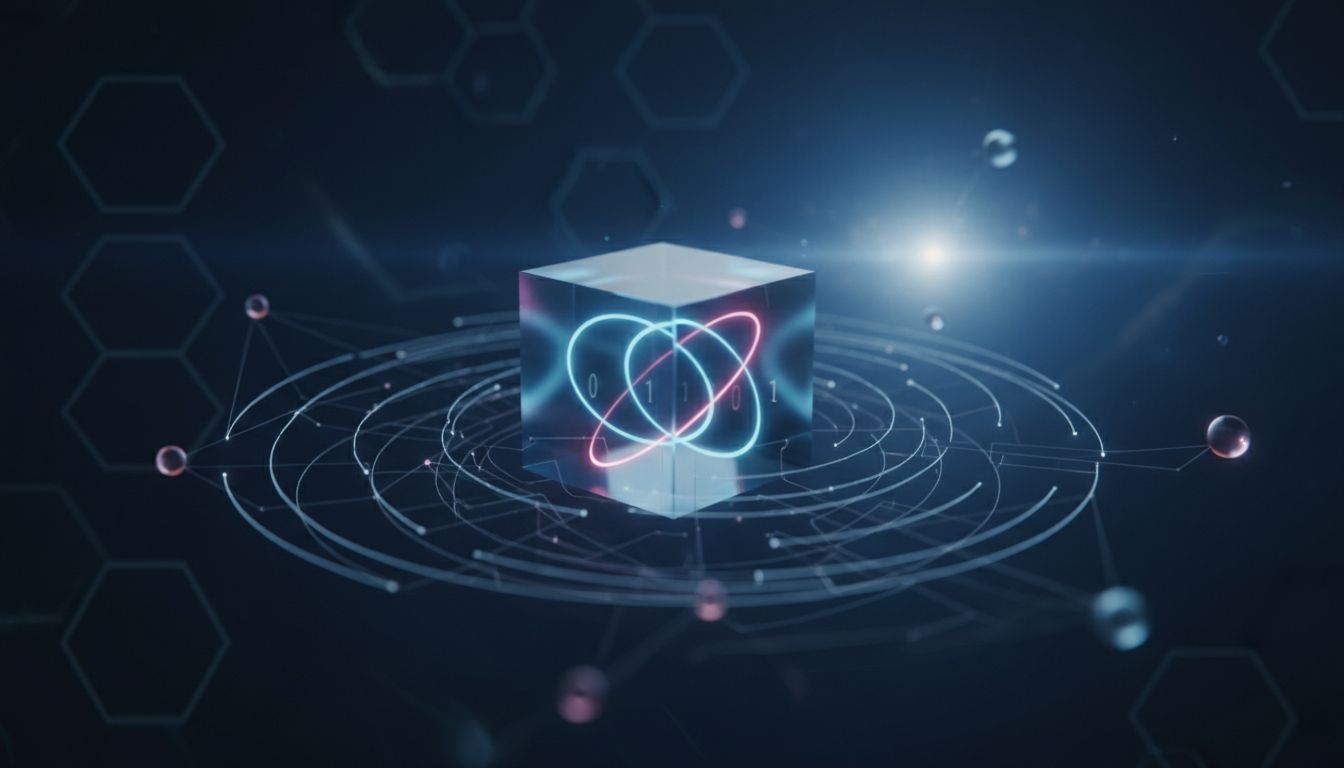
Let’s break this down—what actually is quantum computing? At its heart, it’s a new kind of computing that doesn’t just use ordinary zeros and ones (like your phone or laptop). Instead, it uses “qubits,” which can be 0, 1, or both at once. It’s like flipping a coin and having it be heads, tails, and spinning in the air simultaneously. Whoa.
Why does that matter? Well, quantum computers can solve certain problems that would take today’s fastest supercomputer thousands of years… in just a few seconds. That’s not movie magic; that’s actual science. (Famous scientist Richard Feynman even said, “If you think you understand quantum mechanics, you don’t understand quantum mechanics.” So don’t worry if it feels weird!)
If you want to nerd out more, check out the Wikipedia page on quantum computing—it’s a wild ride.
Why Should Anyone Care About Online Quantum Computing Classes?

Here’s something people often miss: you don’t need to be a genius to wade into this field. In fact, you shouldn’t wait for a Ph.D. to get started.
- Quantum jobs are real—and growing. According to McKinsey & Company, the quantum workforce could triple in size by 2030. Major companies like IBM, Google, and Microsoft are pouring billions into quantum research.
- Younger learners have an edge. Universities are already seeing high schoolers and college freshmen enrolling in quantum mechanics courses. Early exposure matters.
- Applications are wild. Imagine unlocking new medicines, hacking encryption (or defending against it!), or boosting energy efficiency. Quantum is already reshaping fields from chemistry to finance.
So: learning quantum computing online is a practical career move, not just a science curiosity.
The Best Online Quantum Computing Courses: My Personal Picks
Let’s get to the heart of the matter. After digging through dozens of programs, reviews, and syllabi, here are the best online quantum computing courses for different learning styles and life situations. I’ve sprinkled in personal observations, trends, and some honest pros/cons for each.
1. “The Quantum Internet and Quantum Computers” on edX
- Level: Beginner-friendly, no advanced math needed
- Duration: About 7 weeks (3-5 hours/week)
- Cost: Free to audit, $50 for a verified certificate
I’m a fan of this course because it doesn’t bombard you with formulas right away. It covers how quantum computers are built, what quantum programming is, and even gives a peek into the quantum internet (yes, that’s a thing!). You’ll learn concepts like superposition and entanglement using real-life analogies. One student review I read said, “It’s like having coffee with a genius who actually wants you to understand.”
- Pros: Clear explanations, lively pace, practical examples
- Cons: No hands-on coding; more of a ‘big picture’ intro
2. “Quantum Computing for the Very Curious” (Quantum Country)
- Level: High school and up; some familiarity with vectors helps
- Format: Interactive spaced-repetition flashcards
- Cost: Free
This one’s quirky and memorable. The creators use flashcards and story-based explanations, so you actually remember quantum concepts weeks later. More than 80% of users report “deeper retention” after finishing each segment, which is rare for online learning.
- Pros: Super memorable, great for busy students
- Cons: Not much hands-on coding
3. “Quantum Computing” by University of Maryland (Coursera)
- Level: Intermediate (basic algebra required, some Python helps)
- Duration: 8 weeks, flexible pace
- Cost: Free to enroll, $49 for certificate
If you want to write actual quantum programs, this is your ticket. You’ll use real tools like Qiskit and can experiment on IBM’s cloud-based quantum computers. Over 20,000 students have enrolled, with around 60% finishing—pretty high for advanced MOOCs. The project sections help you build genuine skills (and great resume points).
- Pros: Hands-on coding, solid university creds
- Cons: Steeper learning curve, more math
4. “Introducing Quantum Computing” by Keio University (FutureLearn)
- Level: Total beginners (even middle-schoolers have taken this!)
- Duration: 4 weeks, 3 hours/week
- Cost: Free to try, about $60 for a certificate
This course walks you through quantum history, applications, and future trends—without sweating the physics. I love their “quantum in the news” mini-stories. One lesson uses a simple card game to explain entanglement, which is honestly brilliant. Plus, Keio University is a global leader in quantum research.
- Pros: Approachable, lots of real-world stories
- Cons: Limited technical depth; more for explorers than coders
5. “Quantum Computing: Master Quantum Physics and Q#” (Udemy)
- Level: Ambitious beginners to intermediate; some coding experience helps
- Duration: Self-paced; 20+ hours of video
- Cost: Around $20 (watch for sales!)
This is a wild ride—a deep dive into quantum algorithms and Microsoft’s Q# programming language. The instructor is enthusiastic (sometimes a bit much?), but explains tricky math with patience. Nearly 30,000 students have taken it, and about a quarter leave glowing reviews. Expect challenges, but real skill-building.
- Pros: Lots of hands-on coding, energetic teaching style
- Cons: Some sections can get dense; pace yourself
The Realities of Learning Quantum Tech Online (Pros & Cons)
Let’s get real for a second: learning quantum computing online is both magical and, sometimes, maddening. Here’s an honest breakdown.
- Pro: Unmatched flexibility. You can learn at midnight in pajamas. More than 70% of online quantum computing course students say flexibility is the #1 draw.
- Con: Self-motivation required. Only about 40–60% of students finish quantum MOOCs. Life gets busy; some topics get confusing. That’s normal.
- Pro: Hands-on tools. Platforms like IBM Quantum Lab let you run real quantum code—no million-dollar hardware required. In my first experiment, I tried “entangling” two qubits. It felt like wizardry.
- Con: Limited instructor feedback. Unless you join a live cohort, feedback usually comes from forums or peers, not professors.
- Pro: Credentials matter more each year. Quantum computing certification from respected platforms is popping up on more tech resumes. According to LinkedIn, listings for “quantum developer” roles grew over 60% from 2020 to 2023.
So, is it worth it? If you’re genuinely curious and can pace yourself, absolutely.
Mini-Case: How One Programmer Pivoted with Quantum Skills
I want to share a quick story. Maria, a mid-career software engineer from Brazil, felt stuck. “Classical computing was starting to feel routine,” she told me. In 2021, she signed up for an online quantum programming course on Coursera—just out of curiosity. Eight months later, after a lot of late-night studying and hands-on coding with Qiskit, Maria landed a research internship at a startup working on quantum algorithms for drug discovery. She told me, “Learning quantum computing online didn’t just revive my career, it made me fall in love with learning again.”
She’s not alone. Online quantum computing classes are opening doors for people from all backgrounds—students, teachers, and career changers alike.
Quick Tips for Getting the Most from Quantum Computing Certification
- Don’t memorize, visualize. Try sketching out quantum circuits or explaining “entanglement” to a friend. If you can teach it, you get it.
- Join online communities. Quantum programming forums, Slack channels, and Discords are goldmines for troubleshooting and encouragement. I still remember the relief when someone explained “Bloch spheres” to me in plain English.
- Start small. Tackle 10-minute modules on busy days. Progress is progress.
- Build a little project. Even a simple “quantum random number generator” in Qiskit or Q# feels wildly empowering.
- Celebrate weirdness. If a concept makes your head spin, that’s a sign you’re learning. Quantum is supposed to feel strange at first!
FAQ – Your Quantum Questions, Simply Answered
What background knowledge do I need to start the best online quantum computing courses?
Honestly, not as much as you’d think! Most intro courses only expect basic algebra and a curiosity about science. Some coding comfort (Python helps) can open more advanced quantum programming courses, but plenty of options are zero-experience friendly.
Is a quantum computing certification worth it for jobs?
More than ever, yes. Recruiters at tech giants (IBM, Google, Amazon) increasingly look for online quantum computing classes on resumes, especially when paired with a GitHub full of projects. Even among smaller startups, certification signals “I can learn new tech.” But don’t sweat the piece of paper—the skills and confidence matter most.
Can high school students or teachers take these courses?
Absolutely. In fact, some of the most creative quantum mechanics projects I’ve seen come from high school science clubs! Teachers are also using these online courses to bring quantum concepts into classrooms earlier. (There’s even a “Quantum for Schools” movement if you want to dig deeper.)
How long does it take to learn the basics of quantum computing online?
If you’re consistent, you can finish a beginner course in 4–8 weeks with just a few hours each week. To get comfortable programming quantum circuits, plan for 2–3 months. There’s no rush—quantum is a marathon, not a sprint.
Will quantum computers replace regular computers?
Not anytime soon! Quantum and classical computers solve different kinds of problems. Think of it like calculators and paintbrushes—both are tools, but for very different jobs. Quantum may one day revolutionize cryptography and materials science, but you’ll still need your laptop for TikTok and email.
A Thoughtful Reflection on Quantum Learning
Sometimes I think about the first scientist who looked at a beam of light and wondered, “What if this isn’t just a wave, but also a particle?” That leap of curiosity—bold, a bit reckless, kind of magical—is what makes quantum computing feel so alive to me. If you’re considering diving into this world, or just dipping your toes, remember this: the field is new enough that anyone can become an explorer. Whether you’re aiming for a quantum computing certification, building your first quantum program, or just trying to make sense of “qubits,” you belong here—and your questions matter.
So, what’s your next quantum question?