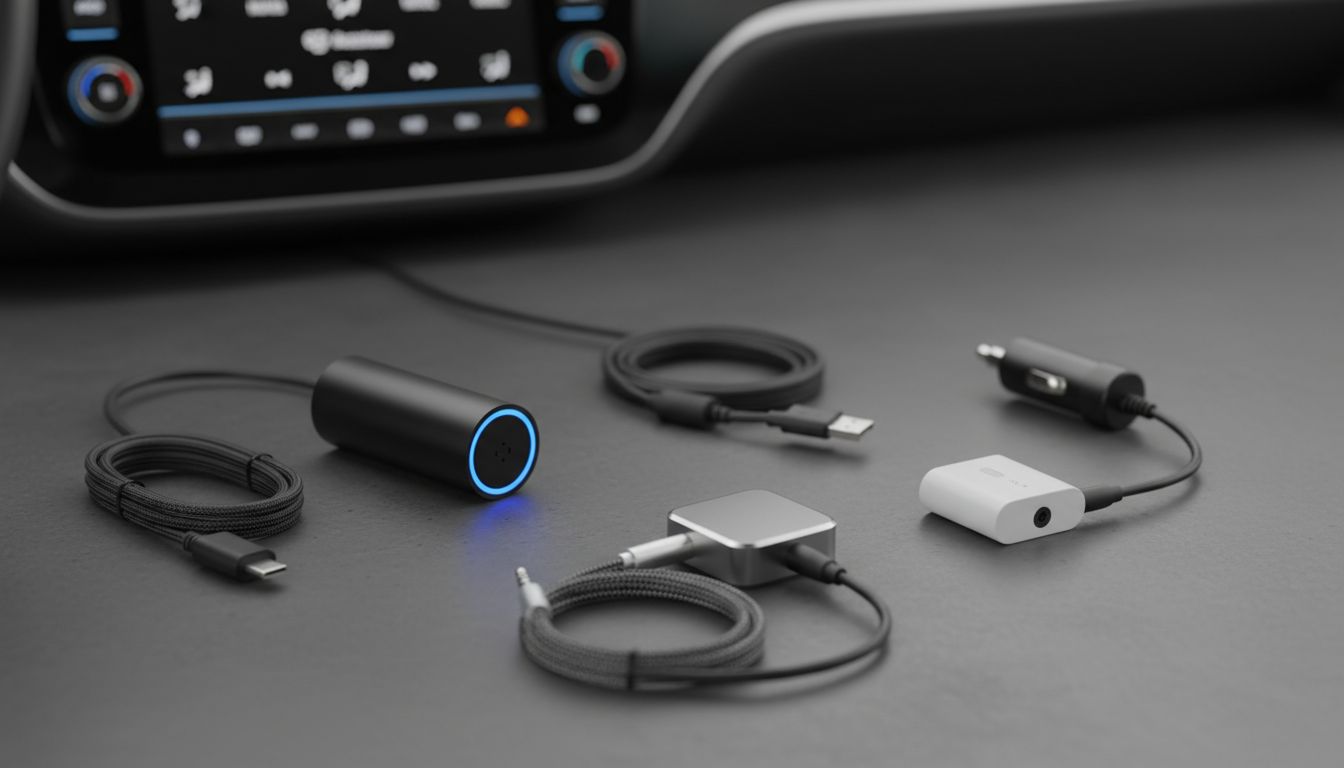
Picture this: You hop in your car, playlist ready, then realize your stereo still *lives* in the dark ages—AUX cables, maybe a CD slot, but no hint of Bluetooth. You could fumble with cords, or you could upgrade your ride in minutes with one of the best car Bluetooth adapters. But how do you figure out which adapter really works for your commute, your phone, your weird-for-2012 stereo? Let’s break it down and find the perfect fit for your drive.
Why Car Bluetooth Adapters Even Matter
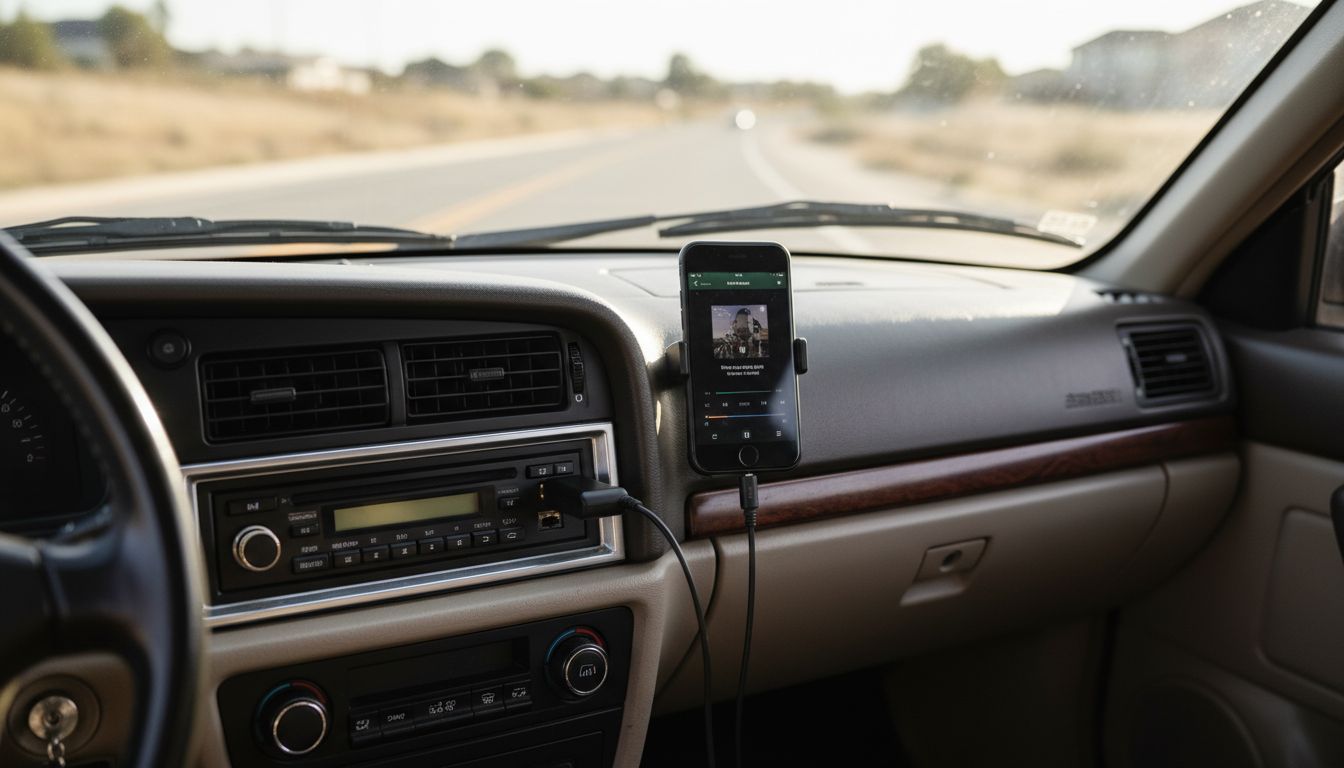
Cars don’t age quite like laptops or phones, but tech does move on. According to recent data from the US Department of Transportation, the average car on American roads is over 12 years old. That means well over half of drivers are missing out on native Bluetooth features like hands-free calling, wireless streaming, and voice assistance. It’s not just about convenience—it’s a matter of safety and sanity.
Let’s be honest: Distracted driving is a real problem. A study from the National Safety Council estimates 1 in 4 car crashes involve cell phone use. The best car Bluetooth adapters solve a lot of that with simple, affordable tech. No fancy installation required—just plug, pair, and go.
Table of Contents
- Types of Car Bluetooth Adapters
- How the Best Car Bluetooth Adapters Differ (With Real Examples)
- Key Pros & Cons: What Actually Matters?
- Expert Buying Guide: How to Choose the Best Car Bluetooth Adapter
- Mini-Case Study: The Adapter That Changed My Commute
- FAQ: Real Answers to Common Bluetooth Adapter Questions
- Final Thoughts: A Human Take
Types of Car Bluetooth Adapters (And Which Makes Sense for You)
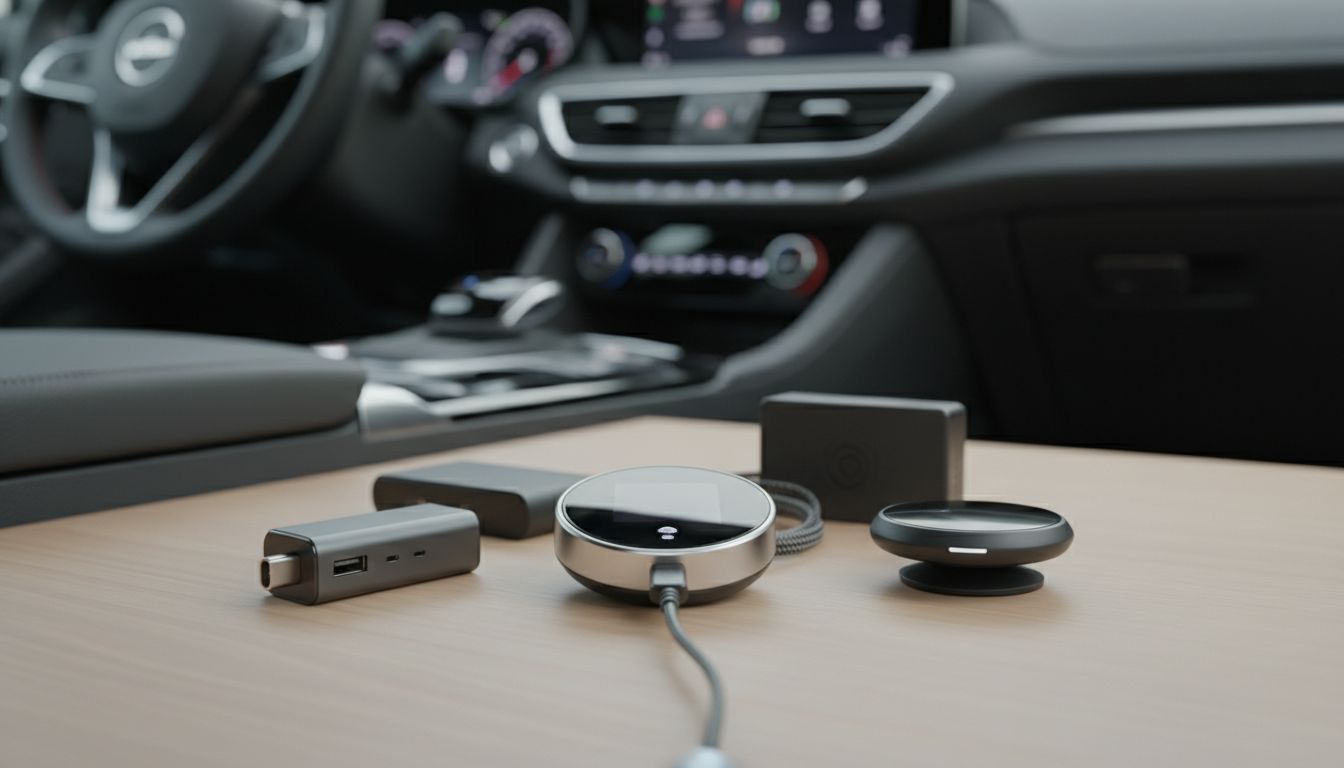
If you’ve ever browsed for a car Bluetooth adapter, you probably noticed—there are a LOT of options. They come in strange shapes, plug into different ports, and promise a buffet of features. Here’s the quick-and-clear breakdown:
- Auxiliary (AUX) Bluetooth Adapters: Plug into your car’s AUX port. Best for cars with an aux input but no Bluetooth.
- FM Transmitter Bluetooth Adapters: Broadcast audio over an unused FM radio frequency. Good for cars without an aux input but with a functioning radio.
- USB/Built-in Bluetooth Car Kits: Install directly into your car’s power system or OEM radio. Higher-end, more permanent.
- 12V Cigarette Lighter Adapters: Plug into the cigarette lighter and often combine Bluetooth, charging, and hands-free features. Very plug-and-play.
I once tried fitting an FM transmitter in my old Honda (no aux input), and while it wasn’t perfect in the city (thanks to radio interference), it was a lifesaver on long, quiet highway drives. Point is—your car’s setup matters. Don’t let slick marketing trick you into buying the wrong kind.
How the Best Car Bluetooth Adapters Differ (With Real Examples)
Let’s get specific. What do the top-rated adapters actually do differently? And are the most popular brands really worth the hype?
Three Stand-Outs: Features, Flaws, & Fit
-
Anker Soundsync A3352
- What’s great: Compact, pairs with two devices at once, clear audio, battery lasts up to 12 hours on a single charge.
- What could be better: AUX only (no FM), needs recharging if you drive all day.
- Who should buy it: Anyone with an aux port, who wants something that just works—no fuss.
-
Nulaxy KM18 FM Transmitter
- What’s great: Works in nearly any car with a lighter and radio, built-in display, calls and streaming, USB charging for your phone.
- What could be better: Audio quality depends on radio interference (cities = more static), buttons feel a bit plasticky.
- Who should buy it: Older cars without aux; drivers who want something fast and flexible.
-
TaoTronics Bluetooth Receiver
- What’s great: Tiny, supports voice assistants, can be clipped to your visor for calls, 15-hour battery.
- What could be better: AUX only, no FM, pairing can be fiddly if you have multiple phones.
- Who should buy it: Commuters who want hands-free calling and voice access, mostly for music and maps.
Notice a trend? Simpler adapters typically mean fewer glitches and less clutter—kind of like how a Swiss Army knife is useful, but sometimes you just want a plain old sharp blade. There’s rarely a perfect, “do-it-all” device—every adapter is a trade-off between features, price, and your car’s quirks.
Key Pros & Cons: What Actually Matters?
Let’s break down what the best car Bluetooth adapters really get right—and where even the best fall short.
Pros
- Instant Upgrade: Add Bluetooth to almost any car—no expensive shop visit.
- Hands-Free Safety: Use voice assistant, answer calls without fumbling for your phone.
- Affordable: Most good options cost under $30. Even top-tier models rarely exceed $50.
- Portable: Move from car to car, or even use as a home audio upgrade.
Cons
- Audio Quality: FM transmitters sometimes have static or hiss, especially in crowded radio markets.
- Limited Power: Battery-powered models need regular charging (though many last all day).
- Pairing Glitches: Some adapters don’t always auto-connect, especially between different phones.
- Physical Clutter: Wires, dongles, and plugs may add dash mess (though some are designed tidy).
Here’s something people often miss: Nearly 70% of critical reviews on big e-commerce sites actually aren’t about total failure—just small annoyances like not auto-connecting, or losing radio signal during a drive. That’s why it pays to match your adapter to your car and habits, not just the star rating.
Expert Buying Guide: How to Choose the Best Car Bluetooth Adapter
Feeling overwhelmed by choices? Here’s a simple, logical process (with a dash of personal observation):
-
Check Your Inputs:
- Does your stereo have an aux port? Go with an aux Bluetooth adapter.
- No aux? Try an FM transmitter that plugs into the 12V socket.
- Decide on Power: Want battery-powered (less cords) or plug-in (never needs charging)?
- Feature List: Do you care about hands-free calling? Multi-device pairing? Voice assistant support?
- Size & Style: Is your dashboard already cluttered? Pick something compact, or a model that tucks out of sight.
- Budget: Most of the best car Bluetooth adapters are under $40—no need to overspend. There’s little evidence (per user reviews) that $70 adapters last longer or sound better than $25 ones, unless you’re buying a full integrated kit.
I sometimes wonder: Has anyone ever really used all the “bonus features” some products stack on? In my experience, it’s the quick auto-pairing and stable music streaming that make or break your daily drive—not whether it can charge five gadgets at once.
Mini-Case Study: The Adapter That Changed My Commute
Let me share a quick story. Last year, my neighbor—let’s call him Mike—was about *this close* to spending $400 on a new stereo just for Bluetooth. I convinced him to try a well-reviewed Bluetooth FM transmitter for $25. In his 2008 Toyota, it installed in less than five minutes. He could finally stream podcasts, take work calls, and—bonus—play “Dad Rock” playlists for his kids with zero cable spaghetti. The only real hiccup? In downtown traffic, some stations would get fuzzy. But outside the city, music sounded crisp and calls were clear. Mike saved over $350 and instantly made his hour-a-day commute less stressful. That’s the magic of these adapters at their best.
Quick Tips for Getting the Most from Your Bluetooth Adapter
- Pick your FM frequency wisely. If you’re in a city, scan for totally empty radio slots to minimize interference.
- Keep firmware updated. Some high-end adapters (like iSimple or Kinivo) release updates to fix bugs or boost compatibility—worth a quick check.
- Use quality aux cables. Cheap ones can introduce static, even on pricier adapters.
- Don’t leave battery-powered models baking in your car. Heat shortens battery life fast.
- Pair once, then leave Bluetooth on. Most adapters will auto-connect if your phone’s Bluetooth is active when you start the car.
Little habits, big difference. I’ve seen friends miss out on good gear because of a $2 cable or one stubborn setting.
What the Data Shows: Trends & Honest Numbers
According to 2023 sales figures from market research firm Statista, over 3.5 million Bluetooth car adapters were sold in the US alone. About 58% were aux-based, 39% FM transmitters, and the remainder split between USB kits and more permanent installs. User ratings average 4.2 out of 5—suggesting most adapters “just work,” but there’s always room for improvement.
Interestingly, returns and complaints spike around holiday gift season (December-February)—likely because buyers don’t always realize what kind of inputs their loved one’s car actually has. Moral: Check before you buy, not after!
Beyond Adapters: When Should You Upgrade the Whole Stereo?
Let’s be practical. If you drive an older car for another year or two, a Bluetooth adapter is a no-brainer. But if your stereo is on its last legs, or you crave powerful sound, it might be time for a full upgrade. Keep in mind: a new head unit with built-in Bluetooth usually costs $80–$300 plus installation. For most people, though, an adapter is just simpler and more cost-effective.
FAQ: Real Answers to Common Bluetooth Adapter Questions
Can a Bluetooth adapter really make my old car feel modern?
Absolutely! It’s honestly surprising how big the difference can be. Streaming podcasts, using voice assistants, or just skipping tracks without reaching for your phone—it all feels like a small but meaningful leap into the present. No, it won’t turn your 2003 Corolla into a Tesla, but it will make your daily commute a lot more pleasant and safe.
Will the audio quality match built-in car Bluetooth?
For aux-based adapters, yes—the sound can be virtually identical to factory Bluetooth. FM transmitters will always be a bit behind, especially in crowded cities, but on quiet frequencies audio can be impressively clear. Investing in a decent aux cable (if your adapter uses one) also helps avoid hiss and static.
Is it hard to install a Bluetooth adapter?
Not at all. Aux and FM transmitters are plug-and-play—just connect, pair with your phone, and you’re set. The only “installation” is occasionally tucking away some extra wire. Permanent USB/Bluetooth kits might require a little more work, but those are much rarer these days for basic users.
Can multiple people use the same adapter?
Most modern adapters can pair with at least two devices, though only one can stream music at a time. If you and a partner both want to connect, look for units that support easy switching or multipoint pairing. Otherwise, it’s a quick process to disconnect your device and let someone else pair up for their playlist.
Are all Bluetooth adapters compatible with every smartphone?
Almost all adapters support both iPhone and Android devices. However, some super-old phones or unique audio apps may have glitches. If you have an unusual phone or an older operating system, check compatibility before buying.
Final Thoughts: A Human Take
I’ll be honest—sometimes I get nostalgic about my first car’s factory radio, tape deck and all. But I don’t miss the tangled cables or hunting down random burned CDs in the glove box. A great Bluetooth adapter isn’t just another gadget; it’s a tiny upgrade that makes your daily drive smoother, safer, and a little more joyful. The “best car Bluetooth adapters” aren’t about packing every feature under the sun—they’re about fitting your life, your car, and how you actually drive.
Whether you’re a road tripper, a rideshare driver, or just tired of silent commutes, it’s worth spending a few minutes to make your music and calls seamless. Hey, maybe you’ll discover a new favorite song—or at least never miss an important call again. Isn’t that what tech is supposed to do for us, in the end?